Buying your first home in 19146 can feel like trying to solve two puzzles at once: finding the right place and figuring out what the numbers really mean. If you are drawn to Southwest Center City for its rowhomes, condo options, and close-to-Center-City location, you are not alone. The good news is that with the right expectations, this neighborhood can make a lot of sense for a first-time buyer. Let’s dive in.
Why first-time buyers look at Southwest Center City
Southwest Center City, often called Graduate Hospital, sits between South Street, Washington Avenue, Broad Street, and the Schuylkill River. That gives you easy access to Center City, the Schuylkill River Trail, and the Schuylkill Banks Boardwalk, along with Broad Street Line access at Lombard-South station. It is also known for being walkable, while parking can be limited.
For many buyers, the appeal is simple. You get a neighborhood that feels close to the core of the city without stepping into the higher pricing often seen in nearby Rittenhouse. If you want urban convenience and a range of housing types, 19146 is often on the shortlist.
What homes look like in 19146
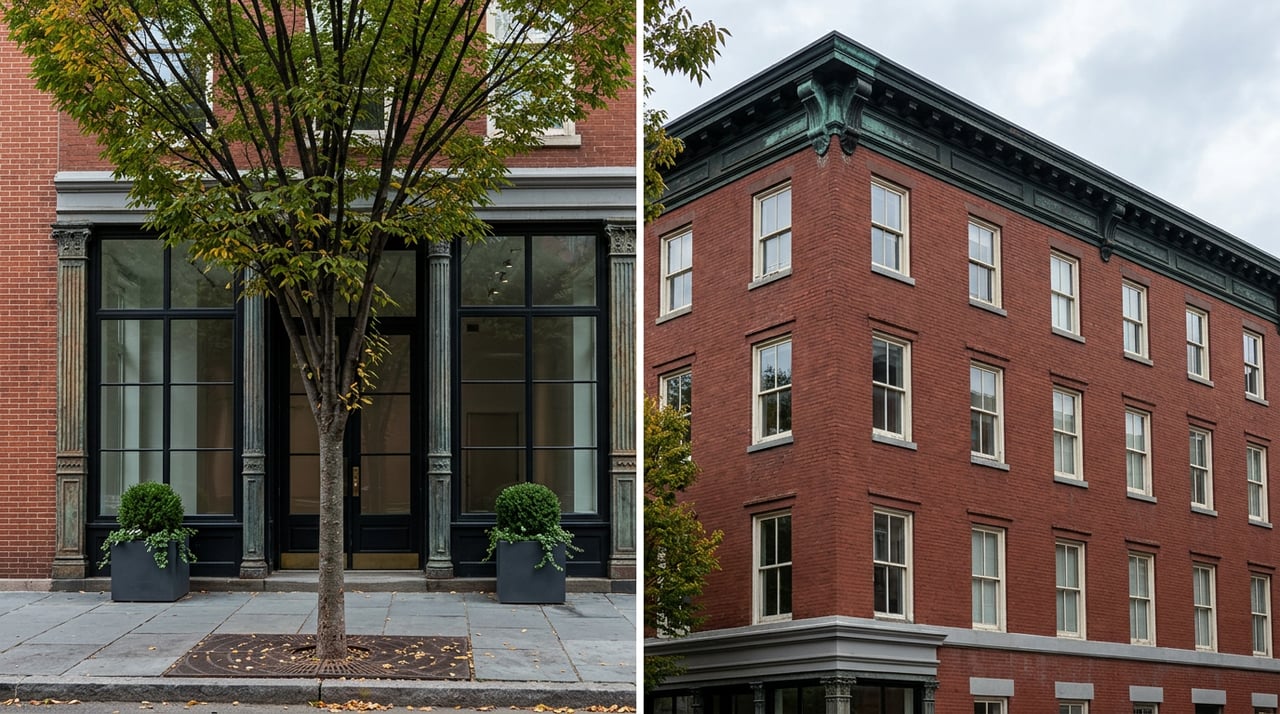
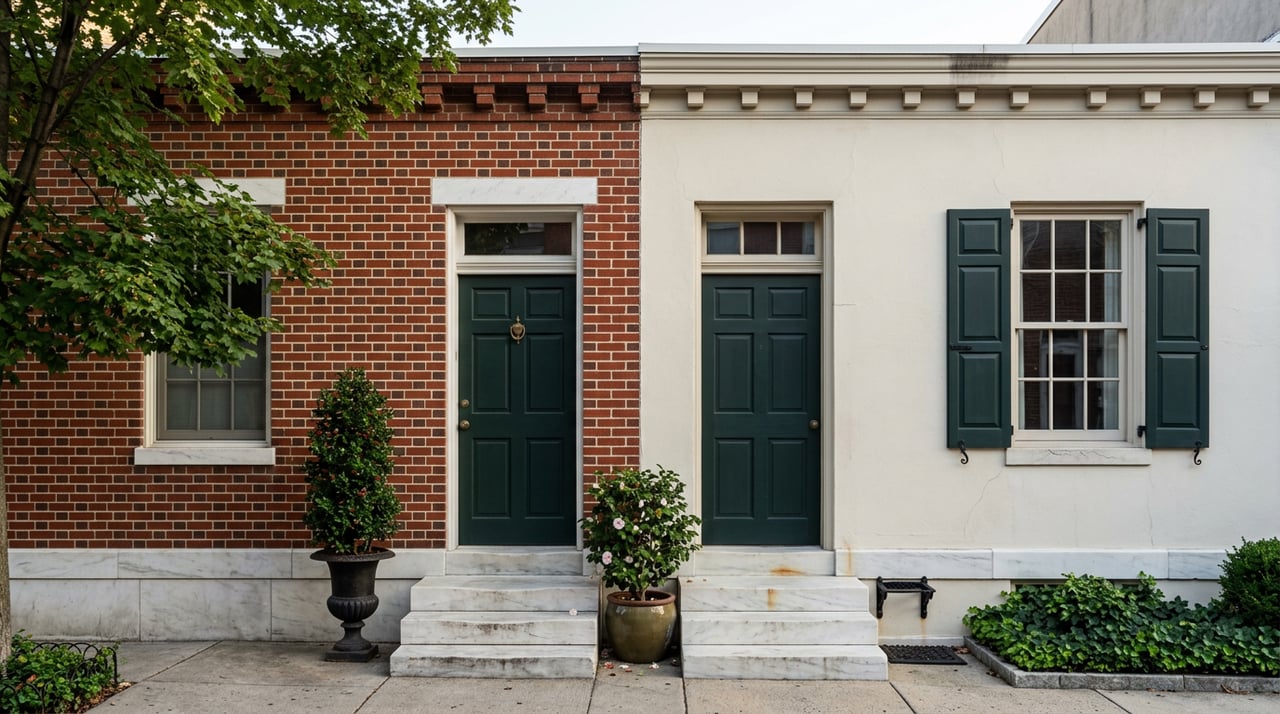
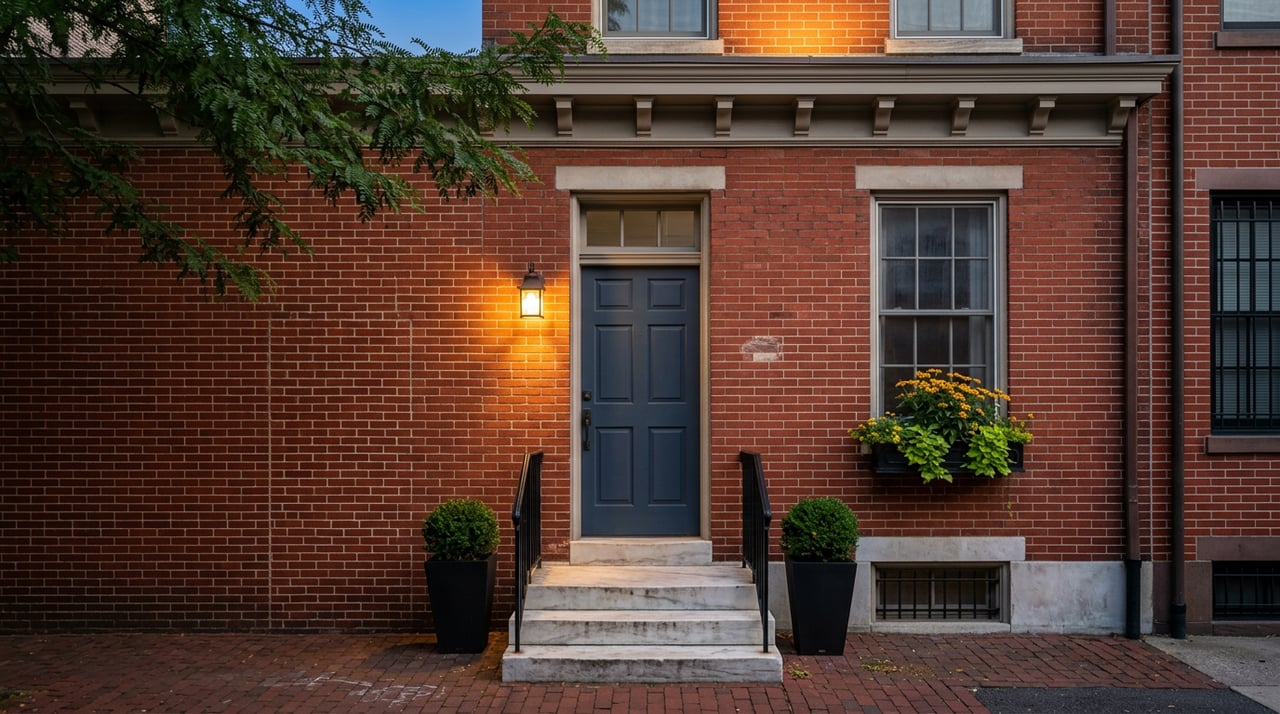
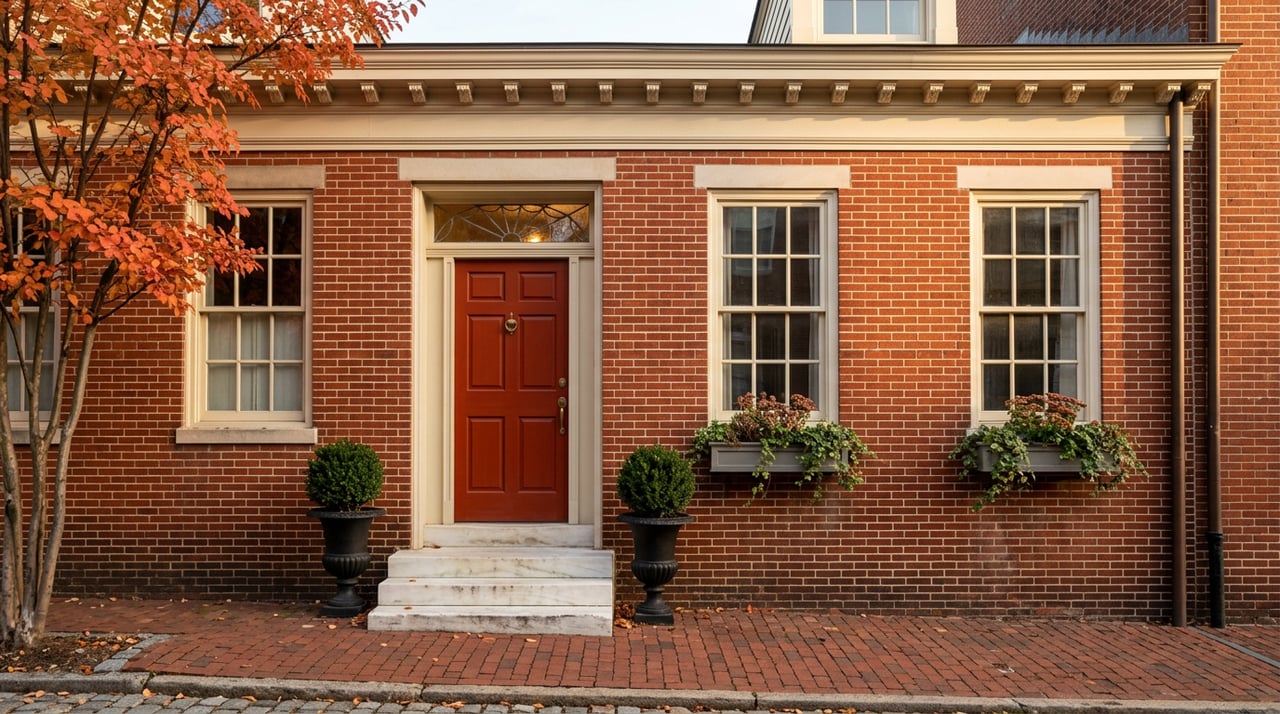
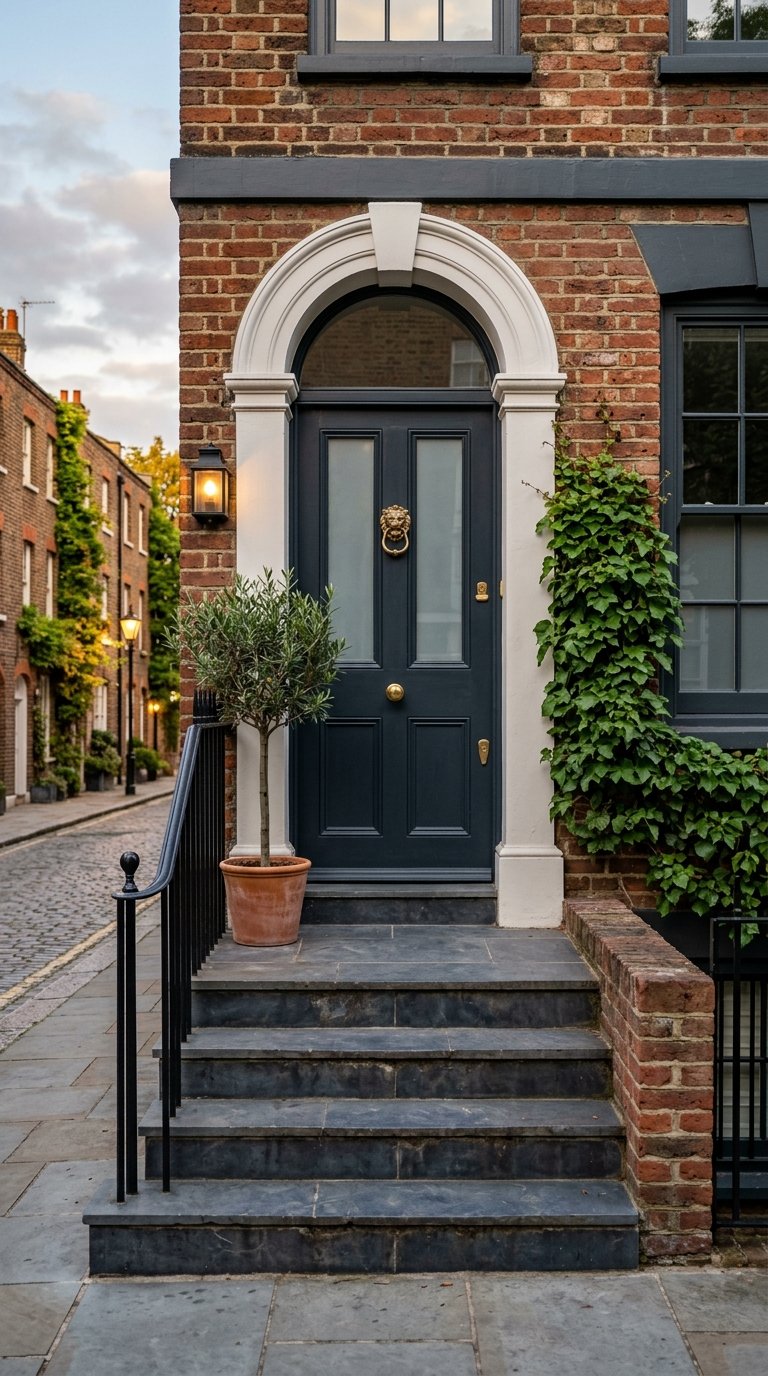
This is still a rowhouse-heavy area, and that shapes your search from day one. You will likely see a mix of traditional rowhomes, townhouses, smaller condos, and some multi-family properties. That variety gives first-time buyers more than one way to enter the neighborhood.
Recent market snapshots suggest many entry-level opportunities may show up in the low-to-mid $400,000s for smaller condos or older units. Renovated rowhomes and townhomes often move into the $500,000s and above. Different data sources show different exact numbers, so it helps to treat them as direction rather than a single fixed answer.
What the price data really tells you
If you start browsing listings, you may notice that one website says 19146 is around the high $300,000s while another points higher. That is normal. Recent reports for 19146 have included average or median figures from roughly the high $300,000s into the $400,000s, while Southwest Center City sale pricing has also been reported higher depending on the property mix being measured.
The practical takeaway is more useful than the exact headline number. In this neighborhood, your budget will likely buy very different things depending on property type, condition, and block. A condo, an older home that needs updates, and a renovated townhome can sit in very different price bands even within the same ZIP code.
How competitive is 19146 right now?
For first-time buyers, this is one of the most important questions. Recent snapshots suggest the market is somewhere between balanced and somewhat competitive, with homes often selling near asking price on average. Some multiple-offer situations still happen, but not every listing turns into a bidding war.
Timing also varies by source. One report showed about 20 days to pending for 19146, another showed median days on market around 35, and Redfin reported homes in Southwest Center City staying on the market about 56 days. That spread tells you something important: speed depends heavily on pricing, condition, and property type.
Condos vs. rowhomes for first-time buyers
Choosing between a condo and a rowhome is one of the biggest decisions you will make here. Both can work well, but the monthly cost and maintenance picture can be very different.
A condo may offer a lower entry price and less day-to-day upkeep. But you need to factor in condo or HOA dues, which are usually paid directly to the association and are not included in your mortgage payment. Those dues can range from a few hundred dollars a month to more than $1,000.
A rowhome may give you more space, more privacy, and no condo fees. At the same time, you are taking on more direct responsibility for maintenance and repairs. In a neighborhood with older housing stock, that matters.
| Option | What to expect |
|---|---|
| Condo | Often lower entry price, less exterior maintenance, monthly association dues |
| Rowhome | More independence and space, but more direct repair and upkeep responsibility |
Move-in-ready or fixer?
In Southwest Center City, this is not just a style question. It is a budget and planning question. Because the neighborhood has so many rowhomes, some properties will need updates or maintenance decisions that go beyond paint colors and finishes.
The Philadelphia Rowhouse Manual exists for a reason. Rowhomes can be rewarding to own, but they also come with systems, materials, and maintenance needs that first-time buyers should understand before they commit. If you are comparing a polished renovation to an older home with potential, make sure you are comparing the true costs, not just the list price.
Do renovations usually need permits?
In many cases, yes. Philadelphia requires a building permit before work that changes the interior or exterior of an existing structure, adds to it, demolishes it, or involves major repairs. Some routine maintenance and limited work, like painting or certain cabinet, countertop, door, and window replacements in one- or two-family homes, may not require a permit if the property is not on the Historic Registry.
If a home is historically designated, the process can involve Historical Commission review. Standard maintenance and most interior alterations are generally not reviewed unless the interior itself is designated, but it is smart to check early. That can affect both your renovation budget and your timeline.
Financing a home that needs work
If you are open to a home that needs repairs, you may not have to choose between a full renovation project and a completely turnkey home. PHFA offers purchase-and-improvement options that can combine the acquisition of the property with eligible repairs in one transaction. For some first-time buyers, that creates a middle path.
This can be especially useful in a rowhouse neighborhood where the right home may need system updates, layout changes, or deferred maintenance work. Instead of passing on every imperfect listing, you may be able to think more strategically about potential.
Get preapproved before you shop seriously
Before you start making weekend tours your new hobby, get preapproved. A preapproval helps you understand your budget, narrows your target price range, and shows sellers you are serious. It also keeps you from falling in love with a home that does not fit your financing.
Preapproval letters often expire in 30 to 60 days, so it is worth keeping the timing in mind. Once you are actively looking, having an updated letter ready can help you move faster when the right home appears.
What to include in your offer
When you are buying your first home, your offer is not just about price. It is also about protection. Guidance for buyers recommends making the offer contingent on financing and on a satisfactory inspection.
That matters in 19146, where older homes can come with real maintenance questions. A strong offer should balance competitiveness with clarity about what you can reasonably take on.
How much cash do you need beyond the down payment?
This is one of the biggest surprises for first-time buyers. In addition to your down payment, closing costs often run about 2% to 5% of the purchase price. Those costs commonly include appraisal fees, title insurance, government taxes, and prepaid expenses.
In Philadelphia, transfer taxes are a major part of the conversation. The city’s Realty Transfer Tax is 4.578% and is due when the deed is recorded. It is usually split between buyer and seller, but the contract should clearly state who is paying what because the city can collect the full amount from either party.
Do not overlook property taxes
Philadelphia’s real estate tax rate for tax year 2025 is 1.3998%. That is an important line item when you are estimating your monthly payment and total ownership cost. Looking only at principal and interest can give you a false sense of affordability.
If you will live in the property as your primary residence, the Homestead Exemption may help. For 2025, it reduces assessed value by $100,000 and can save most homeowners up to $1,399 per year. That is worth factoring into your long-term budget.
First-time buyer assistance to know about
If you are trying to stretch your cash, local and state programs may help. Philly First Home can provide up to $10,000 or 6% of the purchase price for eligible first-time buyers. But there is an important catch for this neighborhood: the program is limited to single-family homes or duplexes and does not apply to condos.
PHFA’s K-FIT program can provide 5% of the lesser of the purchase price or appraised value as forgivable down payment and closing cost assistance over 10 years when paired with a PHFA first mortgage. PHFA also offers free homebuyer counseling and education, and it encourages buyers to speak with a counselor before signing a sales agreement.
A practical plan for buying in 19146
If you want to buy in Southwest Center City, keep your approach simple and disciplined. Start with your monthly comfort level, not just your maximum approval amount. Then decide whether you are truly looking for a condo, a move-in-ready rowhome, or a home with update potential.
From there, focus on these steps:
- Get preapproved before serious shopping
- Budget for closing costs beyond the down payment
- Compare condo fees, taxes, and maintenance obligations
- Ask early about permits if you plan to renovate
- Review assistance options before you write an offer
- Move quickly on homes that fit both your budget and your lifestyle
For first-time buyers, the biggest advantage is clarity. When you understand the real cost of ownership and the kind of property you want, the search gets a lot less overwhelming.
Southwest Center City can be a smart place to buy your first home if you go in with realistic expectations. The neighborhood offers location, housing variety, and a price range that can still create opportunities for buyers who want to stay close to Center City. With the right strategy, you can sort through the noise, focus on the homes that truly fit, and make a confident move.
If you are thinking about buying in 19146 and want practical guidance on condos, rowhomes, pricing, or first-time buyer strategy, The McCann Collective is here to help you build your next chapter.
FAQs
Can I use Philly First Home to buy a condo in 19146?
- No. Philly First Home excludes condos and is limited to single-family homes or duplexes.
How competitive is the Southwest Center City market for first-time buyers?
- Recent data suggests conditions range from balanced to somewhat competitive, with homes often selling near asking price on average and some multiple-offer situations still happening.
How much cash should I expect beyond my down payment in Philadelphia?
- Closing costs often run about 2% to 5% of the purchase price, and they can include appraisal fees, title insurance, government taxes, and prepaid expenses.
Do Southwest Center City rowhome renovations usually need permits?
- Many do. Philadelphia generally requires a permit for work that changes the interior or exterior, involves additions or demolition, or includes major repairs, while some routine maintenance is treated differently.
Are condo fees included in my monthly mortgage payment for a 19146 condo?
- Usually not. Condo or HOA dues are typically paid directly to the association and should be budgeted separately from your mortgage payment.
What is the real estate tax rate for owner-occupants in Philadelphia?
- Philadelphia’s real estate tax rate for tax year 2025 is 1.3998%, and owner-occupants may also qualify for the Homestead Exemption if the home is their primary residence.