If you love character, volume, and a home that does not feel cookie-cutter, Old City loft living can be hard to beat. But that same charm often comes with questions about noise, building rules, parking, and long-term costs. If you are thinking about buying a loft in Old City, this guide will help you understand what you may gain, what you may give up, and what to review before you make an offer. Let’s dive in.
Why Old City Stands Out for Lofts
Old City is one of Philadelphia’s most established loft environments because its housing grew out of a much older built landscape. The Old City Historic District spans about 75 acres and includes roughly 800 structures and sites, with a mix of civic, residential, commercial, industrial, maritime, and religious architecture. Old City District also notes that about 8,000 residents live here across historic townhouses, industrial loft apartments, and newer condominium properties.
That matters because many Old City lofts are true conversions rather than lookalike new construction. In practical terms, you are often shopping in former warehouse or commercial buildings that were adapted into residential use. That tends to create more variety from one building, and even one unit, to the next.
Old City Loft Architecture
Hard lofts vs soft lofts
One of the first questions to ask is whether you are looking at a hard loft or a soft loft. Consumer real estate guides generally describe hard lofts as former industrial spaces with high ceilings, large windows, exposed brick or beams, and open layouts. Soft lofts are usually newer buildings designed to capture that industrial style while offering newer systems and a more standardized setup.
In Old City, the neighborhood’s building stock makes hard loft living especially relevant. Compared with newer condo inventory elsewhere in Center City, Old City often offers more historic character and less uniformity. That is part of the appeal, but it is also part of the tradeoff.
What the historic building stock suggests
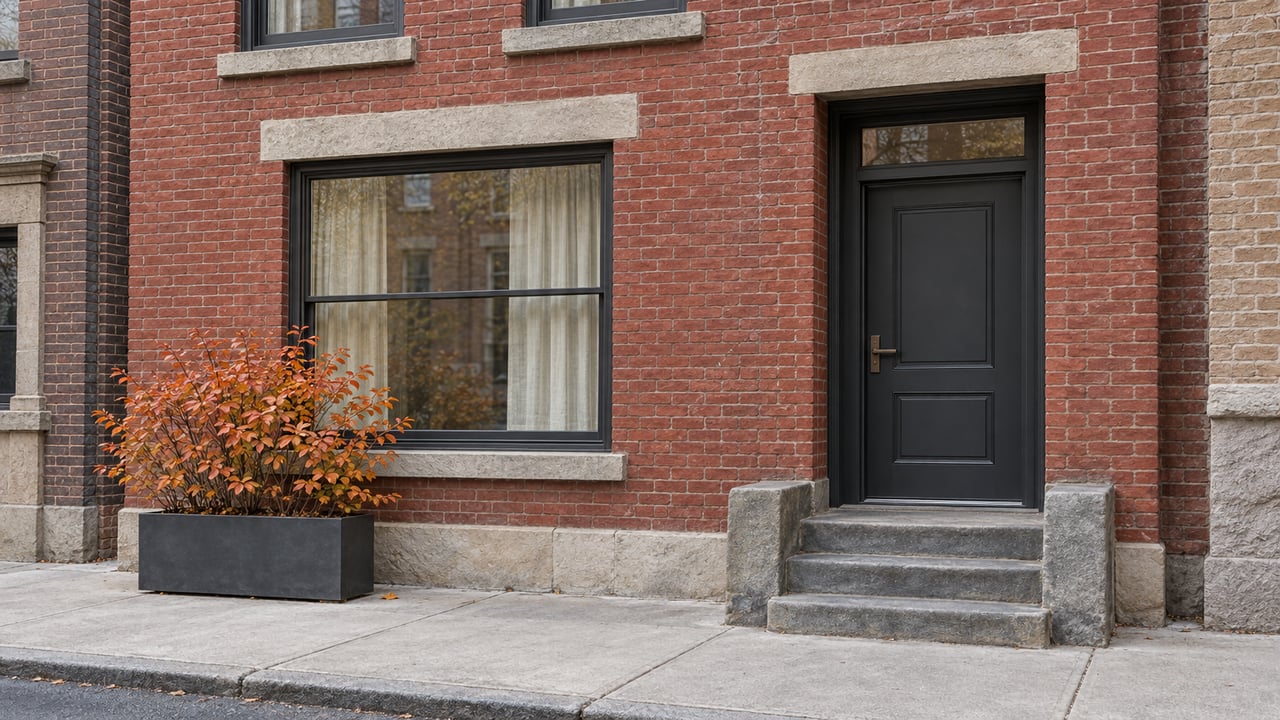
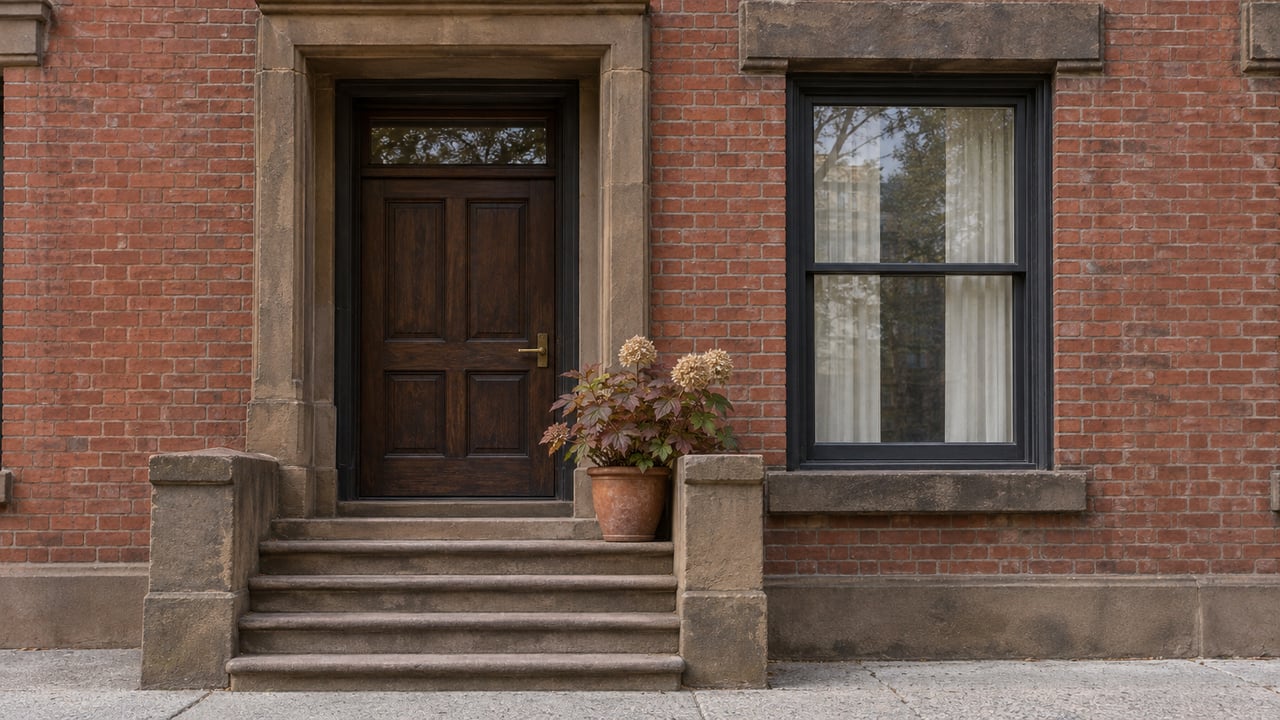
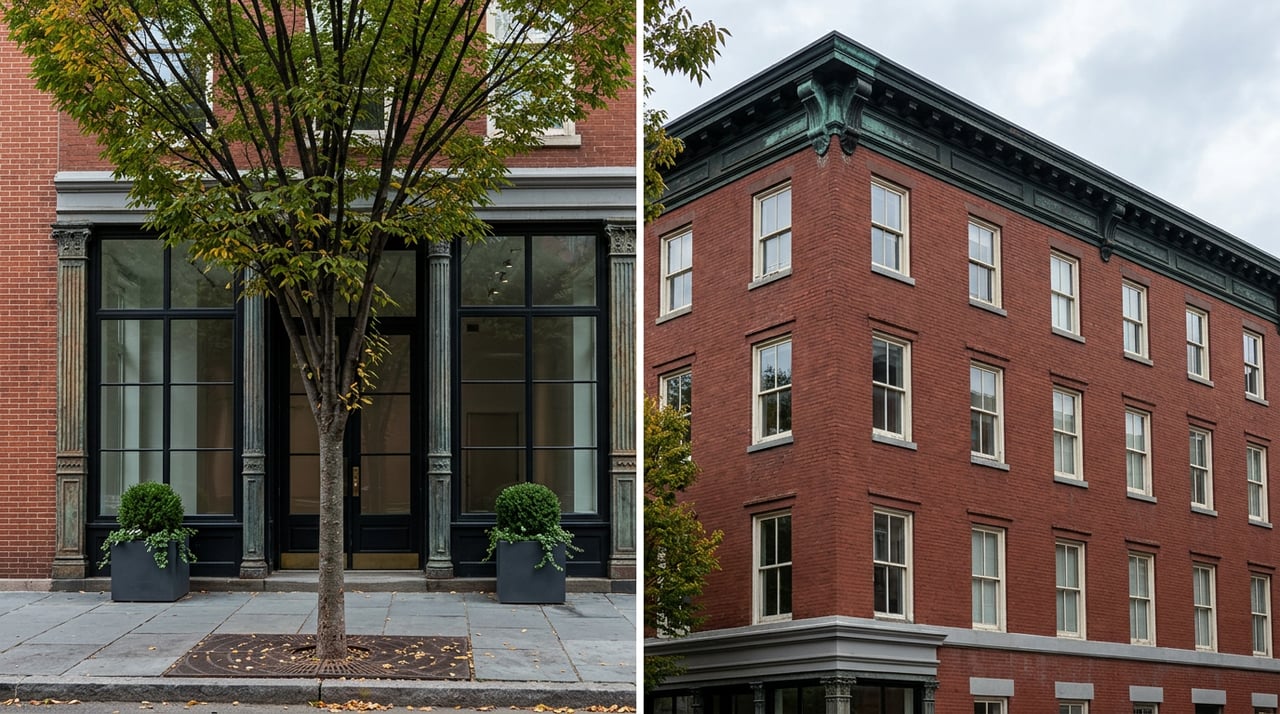
The Old City Historic District manual points to Greek Revival warehouses at Front and Church Streets, along with brick, stone, and cast iron lofts, warehouses, manufactories, and commercial buildings. Because so many surviving structures began as industrial or commercial spaces, you may see larger room volumes, unusual layouts, exposed masonry, and details that do not repeat from building to building.
If you want a home with personality, that can be a major advantage. If you prefer clean predictability, identical floor plans, and a more turnkey condo feel, Old City lofts may require a little more flexibility. You are often choosing individuality over standardization.
Historic District Rules to Know
Old City’s historic status is not just a design feature. It can affect what owners are allowed to change. Philadelphia’s Historical Commission reviews building permit applications for historic properties and provides approval services for work on those properties.
For loft owners, this can matter when exterior work is involved, including windows, façade restoration, masonry, and other visible alterations. That means your approval path may involve more than just your condo association. If you are buying in a historic property, it is smart to ask about this early rather than after closing.
Loft Amenities Are Not One-Size-Fits-All
If you are coming from a newer condo search, Old City can feel less predictable. Because the neighborhood includes historic townhouses, industrial loft apartments, and newer condo properties, amenity packages vary widely from building to building.
You may find a loft with impressive ceiling height and authentic materials, but without the same amenity lineup you would expect in a newer tower. Things like parking, storage, roof access, package handling, fitness rooms, and shared outdoor space are not standardized here. That makes side-by-side comparisons especially important.
What buyers should compare
When you tour loft buildings in Old City, focus on the features that shape daily life and ownership costs:
- Parking availability and whether it is deeded, leased, or separate
- Storage options and whether storage is included with the unit
- Roof deck or common outdoor access
- Elevator service and common-area upkeep
- Reserve strength and budget planning
- Any history of special assessments or major building projects
A beautiful unit can still come with practical compromises. Looking past finishes helps you understand the full ownership picture.
Understanding HOA Responsibilities
In Pennsylvania, the Uniform Condominium Act gives many condo associations the power to adopt rules and budgets, collect assessments, manage common elements, hire contractors, levy fines after notice and hearing, and suspend access to common areas or amenities in some situations involving delinquency or unresolved violations. Executive board members also owe a fiduciary duty to the association.
For you as a buyer, the simple takeaway is this: the association generally maintains the common elements, while you maintain the unit, unless the condominium declaration says otherwise. In older loft buildings, that distinction matters because costly building systems may sit behind attractive historic finishes. You want to understand where responsibility begins and ends.
What to review before closing
Pennsylvania resale disclosures for condominiums include key documents and financial information. Buyers should review:
- The declaration, bylaws, and rules
- Current common-expense assessments
- Any unpaid assessments tied to the unit
- Proposed capital expenditures
- Reserve information
- The current budget
- Insurance information
- Pending suits involving the association
These documents can tell you a lot about the building’s financial health and future costs. In a loft conversion, that review is especially important because older buildings can carry more variation in maintenance needs and capital planning.
Everyday Tradeoffs of Old City Living
Walkability and visitor activity
Old City is one of Center City’s most walkable and recognizable neighborhoods. It is known for restaurants, bars, galleries, and access to Delaware River waterfront attractions. Transit access includes SEPTA buses, the L line, PATCO’s Franklin Square station, and the seasonal PHLASH bus.
The area also sees heavy visitor traffic. Old City District says Independence National Historical Park draws about 3.6 million visitors each year. That energy is part of what makes the neighborhood exciting, but it also affects the pace of life on the street.
Noise can vary block by block
Noise is a real consideration in Old City, especially near nightlife corridors and active commercial blocks. Philadelphia has a formal process for reporting noise violations under its noise and excessive vibration rules, which shows how seriously the city treats the issue.
For buyers, the lesson is practical. Pay attention to unit orientation, window quality, what sits below the unit, and what is across the street. Two lofts in the same neighborhood can feel very different at night.
Parking is not guaranteed
Many Old City residents can live with less reliance on a car because the neighborhood is so walkable. Still, if you drive regularly, parking deserves close attention. Off-street parking is not universal, and at least one parking facility in Old City is operated by the Philadelphia Parking Authority.
Before you compare buildings, verify whether parking is included, deeded, leased, or entirely separate from the purchase. That detail can affect both your monthly costs and your resale value. It is too important to assume.
Is Old City Loft Living Right for You?
Old City lofts can be a great fit if you value historic architecture, flexible layouts, and a home that feels distinct from standard condo inventory. They can also work well if you enjoy a walkable, active neighborhood and understand that variation is part of the package.
On the other hand, if your top priorities are quiet streets, highly predictable monthly costs, and a full-service amenity stack, you may need to be more selective. In Old City, the best loft purchase is usually the one that matches your lifestyle, not just your aesthetic taste. Character is powerful, but fit matters just as much.
Buying in a neighborhood with this much history takes more than a quick showing and a glance at photos. You need to understand the building, the block, the association, and the day-to-day experience of living there. If you want help comparing Old City loft options and reading the tradeoffs clearly, The McCann Collective is here to help you build your next chapter.
FAQs
What is the difference between a hard loft and a soft loft in Old City?
- A hard loft is usually a true conversion from an older industrial or commercial building, while a soft loft is typically newer construction designed to mimic that industrial style.
What should buyers review in an Old City condo association?
- You should review the declaration, bylaws, rules, budget, reserve information, current assessments, proposed capital expenditures, insurance information, and any pending suits.
Can you change windows or exterior details in an Old City historic property?
- In some cases, exterior changes may require review by Philadelphia’s Historical Commission, not just approval from the condo association.
Is Old City quiet enough for full-time loft living?
- It depends heavily on the block, the unit’s orientation, the window quality, and nearby commercial or nightlife activity.
Do Old City loft buildings usually include parking?
- No, parking is not universal, so you should confirm whether it is deeded, leased, included, or separate before comparing properties.