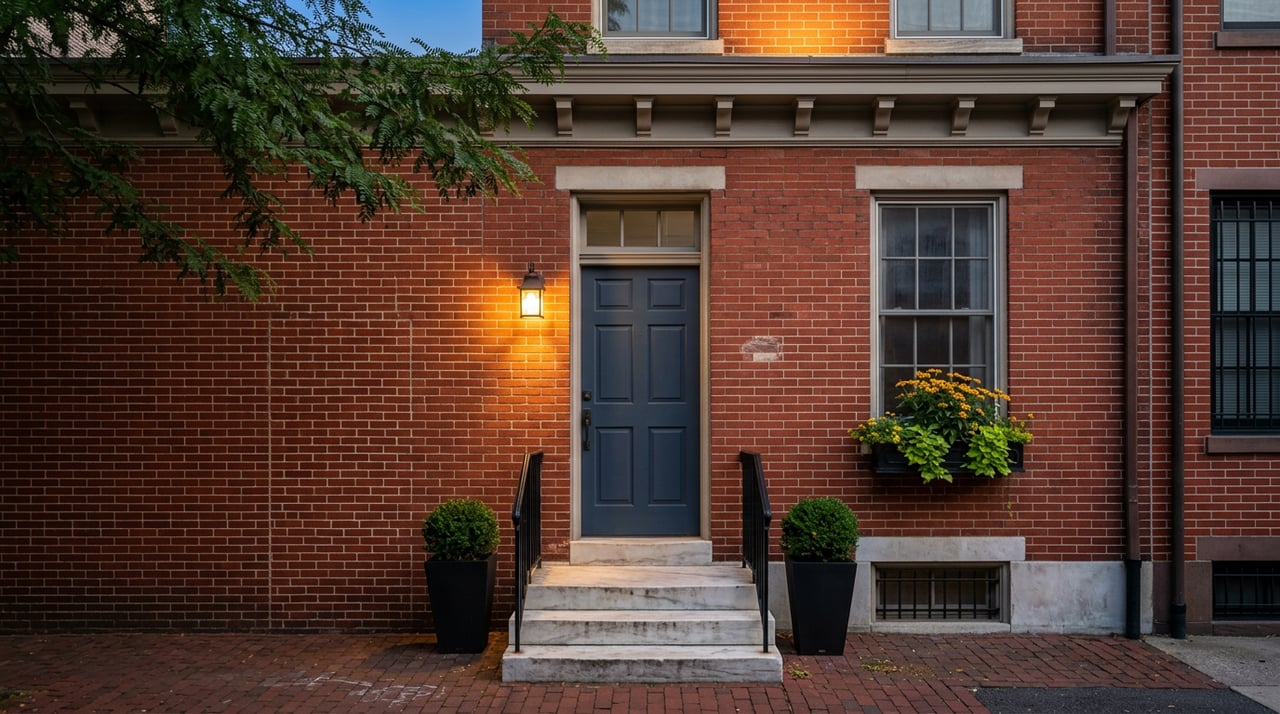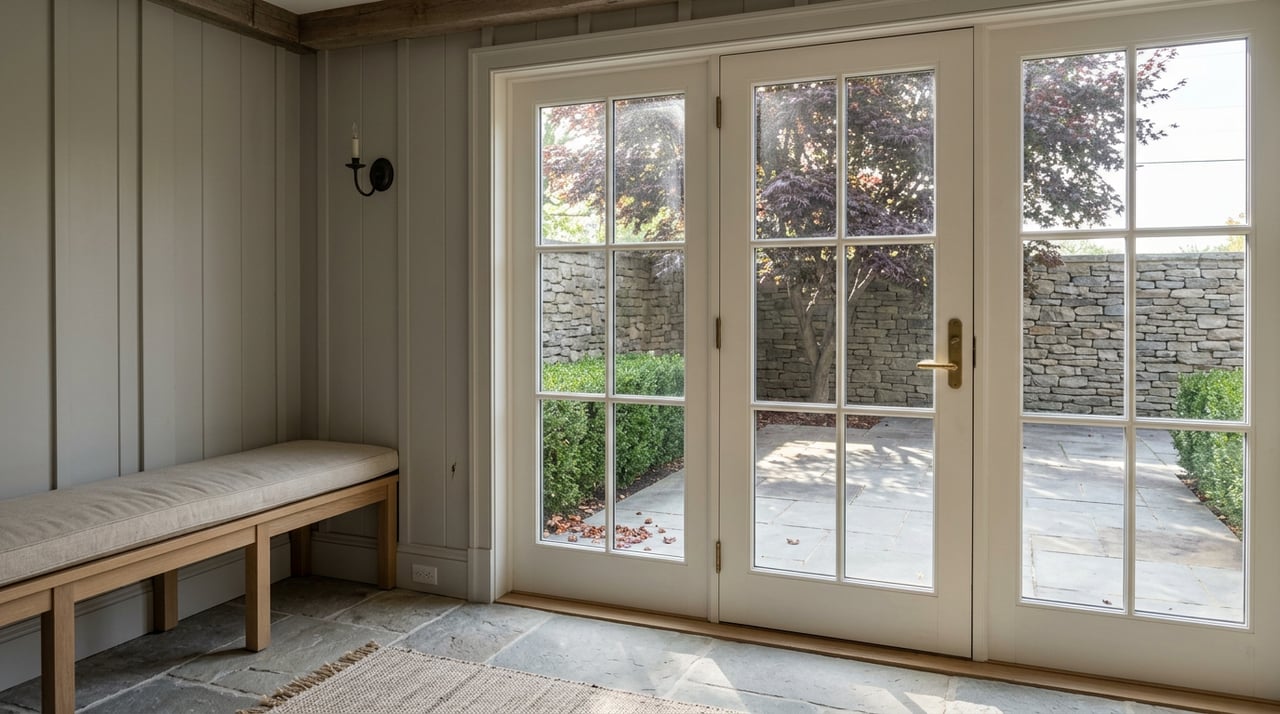
Thinking about selling a historic home in Society Hill? You are not just listing square footage. You are presenting architecture, upkeep, and a setting that buyers notice right away, from brick sidewalks to granite-block streets and mature trees. If you want to stand out in this price-sensitive market, you need the right mix of pricing strategy, pre-list planning, and staging that highlights character without creating distractions. Let’s dive in.
Understand the Society Hill buyer
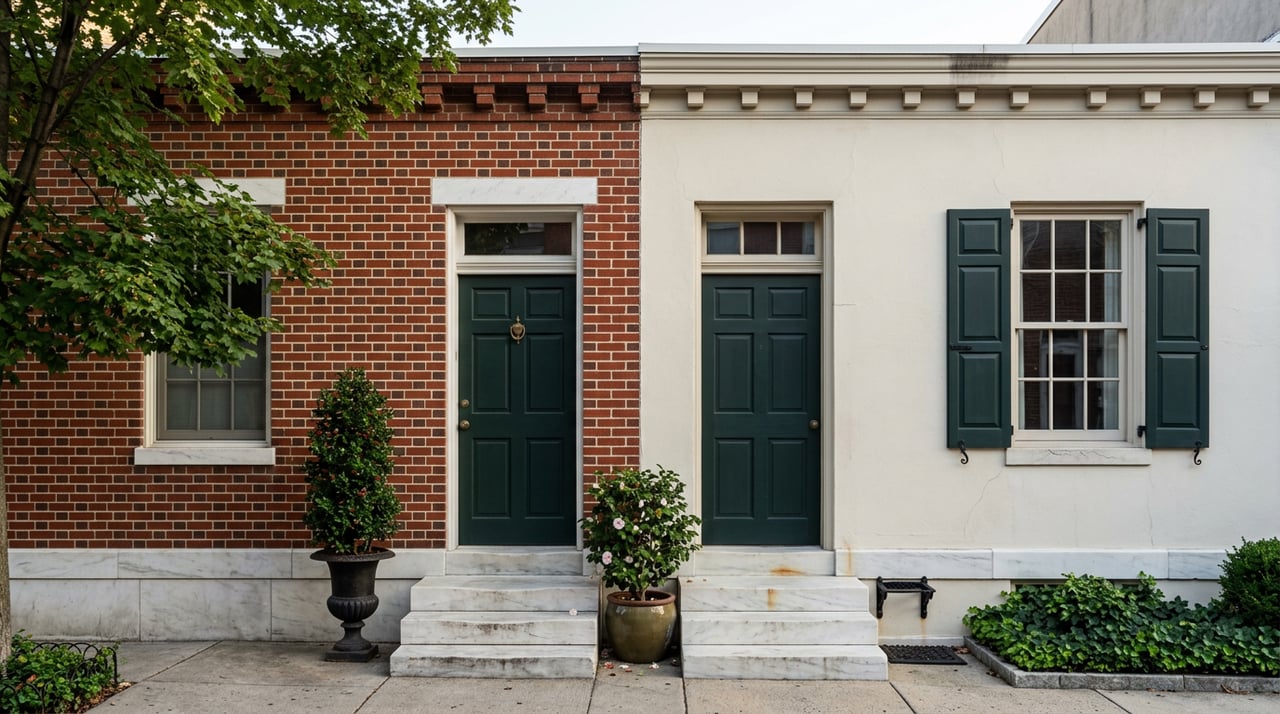
Society Hill has a distinct identity within Philadelphia. The neighborhood’s historic district status, designated in 1999, reflects a streetscape shaped by 18th-century rowhouses, later apartment buildings, and preserved exterior details. That means buyers often respond as much to authenticity and condition as they do to bedroom count or total size.
Market data also points to a premium neighborhood where presentation matters. Recent reporting shows median sale and list prices in the roughly $700,000 to $745,000 range, with homes spending about 46 to 65 days on market and sale-to-list ratios around 96%. In a market like that, overpricing or underpreparing can cost you time and leverage.
Price with discipline
Historic homes can be hard to compare at first glance. One property may have original fireplaces, another may have updated systems, and a third may offer outdoor space or a more flexible layout. That is why pricing in Society Hill should balance architectural charm with today’s buyer expectations.
A smart pricing strategy starts with the market you are in, not the story you love about the house. Buyers may pay a premium for preserved details and a strong location, but they still compare condition, layout, and monthly carrying costs. The goal is to price in a way that creates interest early, when your listing is freshest.
For many sellers, this is where neighborhood-specific guidance matters most. In a place like Society Hill, small differences in block, building style, updates, and historic features can shift buyer demand more than broad city averages suggest.
Start prep earlier than usual
Selling a historic home often takes more planning than selling a newer property. If your home is listed on the Philadelphia Register of Historic Places, exterior work that requires a permit or changes a protected feature may need approval from the Philadelphia Historical Commission. That can include changes to windows, doors, roofs, masonry, facades, stoops, railings, fences, sidewalks, and some mechanical equipment.
The good news is that not every task triggers review. The city says standard maintenance like cleaning gutters, scraping and painting wood trim, and replacing clear window glass does not require project review. Interior changes are also generally exempt unless the interior itself has been designated.
Why early planning matters
The city encourages owners to contact Historical Commission staff early. Project review is free, and staff can often approve routine applications without a full commission hearing. If you are thinking about exterior repairs before listing, starting early can help you avoid timeline problems right before your home goes live.
This is especially important if your ideal listing window is 6 to 12 months away. Last-minute exterior changes can delay photography, staging, and launch timing if approvals are needed.
Focus on preservation-friendly improvements
Before you invest in updates, separate true maintenance from changes that could complicate your sale. In Society Hill, visible care usually matters more than flashy renovation. Buyers tend to notice whether a historic home feels well-kept, functional, and respectful of its original character.
Here are the most practical pre-list priorities:
- Address deferred maintenance that buyers will notice right away
- Freshen paint and trim where standard maintenance is allowed
- Make sure exterior details look clean, stable, and cared for
- Organize records for repairs, updates, and past work
- Review any planned exterior changes before starting the job
If your home is a condo, preparation can look a little different. Under Pennsylvania law, the seller disclosure obligation is limited to the unit itself, while common elements and shared facilities are addressed through condominium resale materials. Buyers may still ask detailed questions about the building and association, so having those documents organized can help your sale feel smoother.
Stage the details buyers came to see
Staging a historic home is different from staging a blank newer build. Your goal is not to cover the home’s age. Your goal is to help buyers read the space clearly while making original features easy to appreciate.
That approach lines up with broader staging data. In the National Association of Realtors 2025 Profile of Home Staging, 83% of buyers’ agents said staging made it easier for buyers to visualize a property as a future home. The same report found that living rooms, primary bedrooms, and kitchens were the most important spaces to stage.
Keep the architecture visible
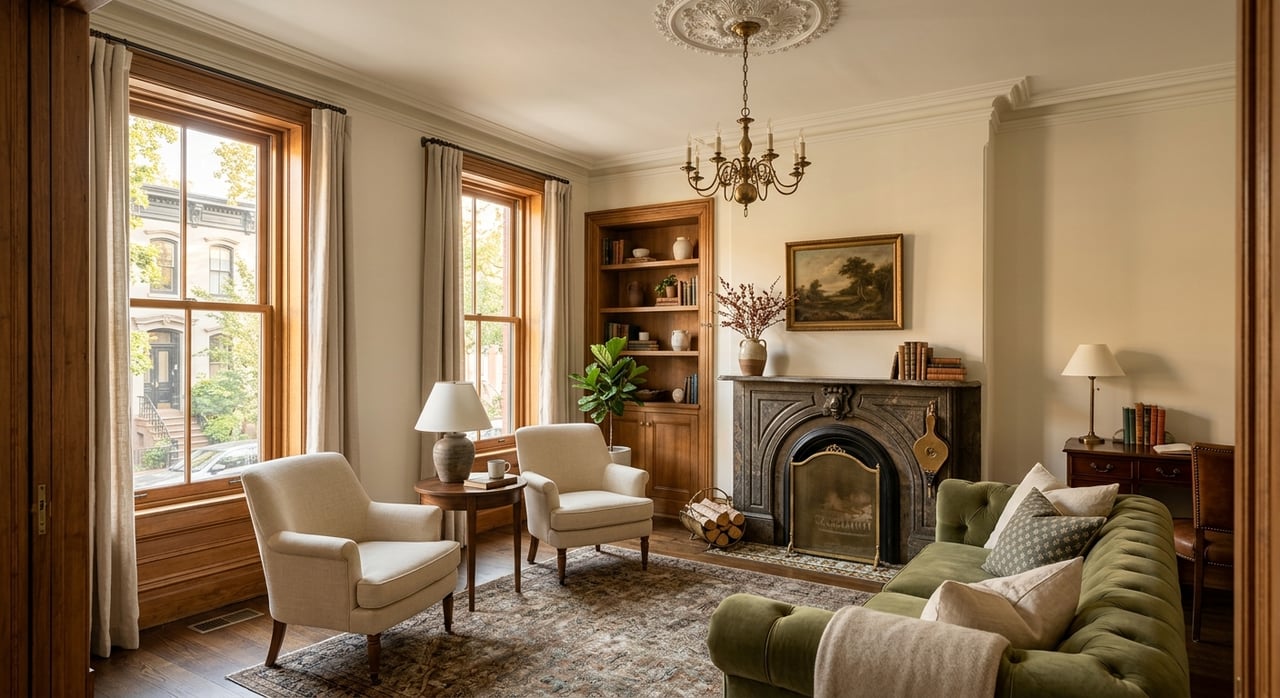
In Society Hill, period details are part of the value story. Original woodwork, stair rails, fireplaces, brick, and traditional window proportions should remain easy to see. Heavy furniture, crowded shelves, and oversized decor can make smaller historic rooms feel tighter and distract from the craftsmanship buyers want to notice.
A lighter layout usually works better. Clean sight lines can help buyers understand how the rooms function while keeping attention on the features that make the home feel special.
Prioritize key rooms
If you are not staging every room, start with the spaces that shape first impressions most:
- Living room
- Primary bedroom
- Kitchen
These rooms help buyers form an emotional reaction and imagine everyday life in the home. If they feel balanced, bright, and usable, the rest of the property often benefits.
Use media that supports the story
Strong visuals matter. The same 2025 staging report found that buyers’ agents rated photos, video, and virtual tours highly. For a Society Hill listing, that means your marketing should show both the home itself and the architectural setting that surrounds it.
Historic homes often have details that reveal themselves slowly in person. Good photography and video help buyers notice scale, natural light, millwork, staircases, fireplaces, and texture before they ever step through the door.
Be ready for buyer questions
Historic-home buyers are usually engaged and curious. Some will love the charm right away. Others will want reassurance about future changes, taxes, disclosures, or environmental concerns.
Getting ahead of these questions can make your listing feel more credible and easier to understand.
Can a future owner remodel?
In many cases, yes. The Philadelphia Historical Commission says its role is to manage change, not prevent it. Still, exterior changes and permit-triggering work on a designated historic property generally need review and approval.
Will historic designation raise property taxes?
According to the city, no. Historic designation is not a factor in property assessment. That can be helpful context if a buyer assumes designation automatically means a higher tax burden.
What should you disclose in Pennsylvania?
Pennsylvania’s Real Estate Seller Disclosure Law requires sellers in most residential transfers to disclose known material defects before the agreement of transfer is signed. The disclosure form covers major topics such as roofing, structural issues, water intrusion, plumbing, electrical systems, heating and cooling, pests, hazardous substances, additions and remodeling, and legal or title issues.
If something is unknown, the law allows you to use the best information available. But the form cannot be false or misleading, and if a disclosed item changes before settlement, you must notify the buyer.
What about lead paint?
For most homes built before 1978, federal lead disclosure rules apply. Sellers must disclose known lead-based paint hazards, provide available records, and give buyers a 10-day opportunity for an inspection or risk assessment. Pennsylvania health guidance also notes that homes built before 1978 may contain lead-based paint, and homes built before 1950 are more likely to.
Will buyers ask about flood risk?
They may. The City of Philadelphia directs owners to mapping tools such as Atlas, FEMA flood maps, and the Philadelphia Flood Risk Map to check floodplain status and neighborhood flood risk. Even if flood issues have never affected your home directly, buyers may still want clear information.
Build a sale plan around timing
When you are selling a historic home, timing affects almost every decision. Exterior repairs may need review. Staging may require a lighter touch than a standard suburban listing. And pricing needs to reflect the way buyers weigh charm against condition and functionality.
A strong plan usually starts with a walk-through and honest prioritization. What should be repaired now? What should be documented? What should be left alone because it supports the home’s authenticity? Answering those questions early can make the listing process more efficient and protect your launch momentum.
Why strategy matters in Society Hill
Society Hill is not a market where you want to rely on generic advice. Buyers are often paying close attention to block-by-block appeal, original details, condition, and whether a home feels thoughtfully presented. In a neighborhood with premium pricing and a distinct historic identity, careful preparation can shape both buyer interest and negotiating strength.
That is where experienced local guidance can make a real difference. From pricing and positioning to marketing and disclosure prep, the right strategy helps you show buyers exactly what makes your home worth their attention.
If you are thinking about selling a historic home in Society Hill, The McCann Collective can help you build a smart plan for pricing, preparation, and marketing with the local insight this neighborhood deserves.
FAQs
What makes selling a historic home in Society Hill different?
- Buyers often focus on authenticity, condition, and architectural character as much as layout and size, so pricing, prep, and staging need to reflect that.
What exterior work on a Society Hill historic home may need approval?
- If the property is on the Philadelphia Register of Historic Places, exterior changes that require a permit or affect features like windows, doors, roofs, masonry, facades, stoops, railings, fences, sidewalks, or some mechanical equipment may need Historical Commission approval.
What maintenance can a Society Hill seller usually do without historic review?
- The city says standard maintenance such as cleaning gutters, scraping and painting wood trim, and replacing clear window glass does not require project review.
What rooms should you stage first in a Society Hill historic home?
- Start with the living room, primary bedroom, and kitchen, since staging data shows these spaces are the most important for helping buyers visualize the home.
What disclosures are required when selling a home in Pennsylvania?
- In most residential sales, sellers must disclose known material defects on the Pennsylvania seller disclosure form before the agreement of transfer is signed and update that information if it changes before settlement.
What should condo sellers in Society Hill know about disclosures?
- Pennsylvania law limits the seller’s disclosure obligation to the unit itself, while common elements and shared facilities are typically handled through condominium resale materials.
Will buyers ask about lead paint in an older Society Hill home?
- Yes. For most homes built before 1978, sellers must follow federal lead disclosure rules, disclose known hazards, provide records if available, and allow a 10-day inspection or risk-assessment period.
How can a seller check flood risk for a Society Hill property?
- The City of Philadelphia recommends using Atlas, FEMA flood maps, and the Philadelphia Flood Risk Map to review floodplain status and neighborhood flood risk.