Trying to choose between an older Main Line house and a newer build in Lower Merion? You are not alone. In Merion and the surrounding Lower Merion villages, that decision often comes down to two very different kinds of value: timeless character on one hand, and modern convenience on the other. This guide will help you weigh the tradeoffs, understand what is typical in the local housing stock, and decide which path fits your lifestyle and budget best. Let’s dive in.
Why this choice matters in Lower Merion
Lower Merion is largely residential and includes a number of historic communities across villages such as Merion, Ardmore, Bryn Mawr, Bala Cynwyd, Gladwyne, Penn Valley, Wynnewood, and others. It is also a township that is already largely built out, which means truly new housing supply is limited and often comes from infill, redevelopment, or subdivision of larger parcels.
That local context matters. According to the township, about 84.83% of the housing stock was built before 1980, and 34.18% was built before 1940. Only about 12% was built in the last 30 years, which helps explain why historic homes play such a large role in the local market and why new construction often commands a premium.
What historic charm looks like here
Lower Merion has an unusually wide mix of architectural styles. Township and local historical sources describe everything from Victorian, Gothic Revival, and Queen Anne to Colonial Revival, Tudor Revival, English country house, Beaux Arts, and modern design.
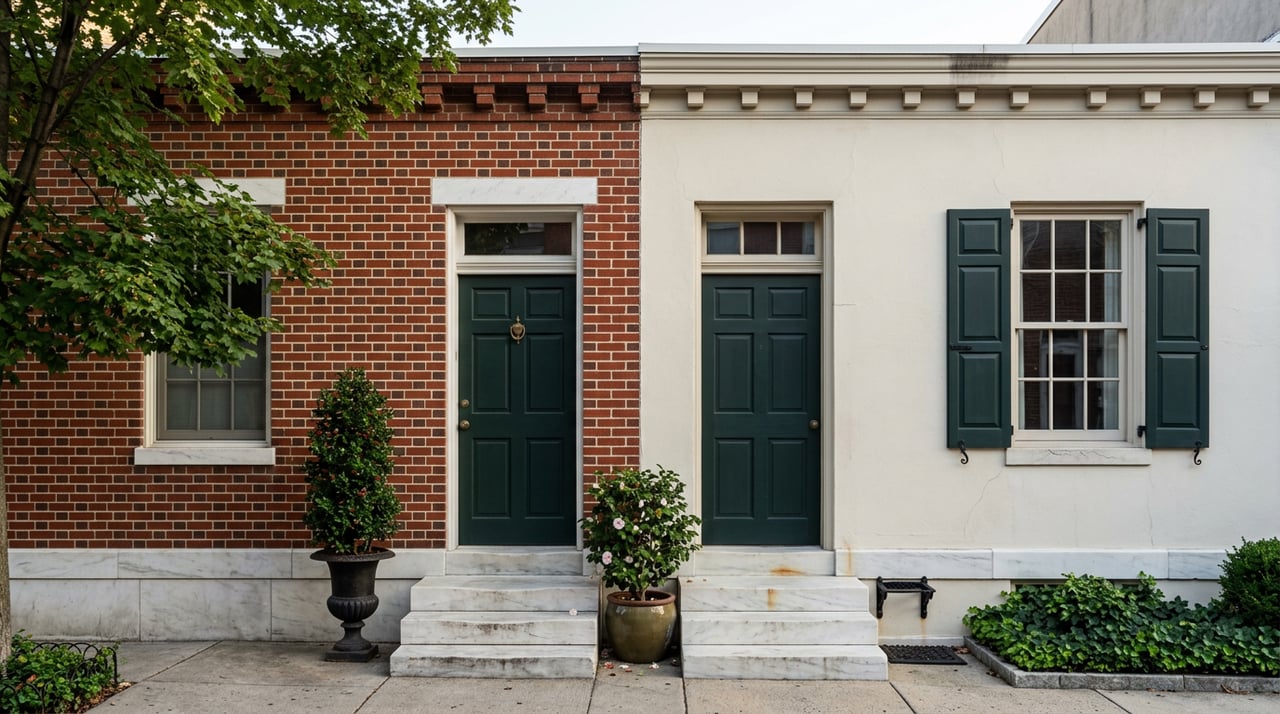
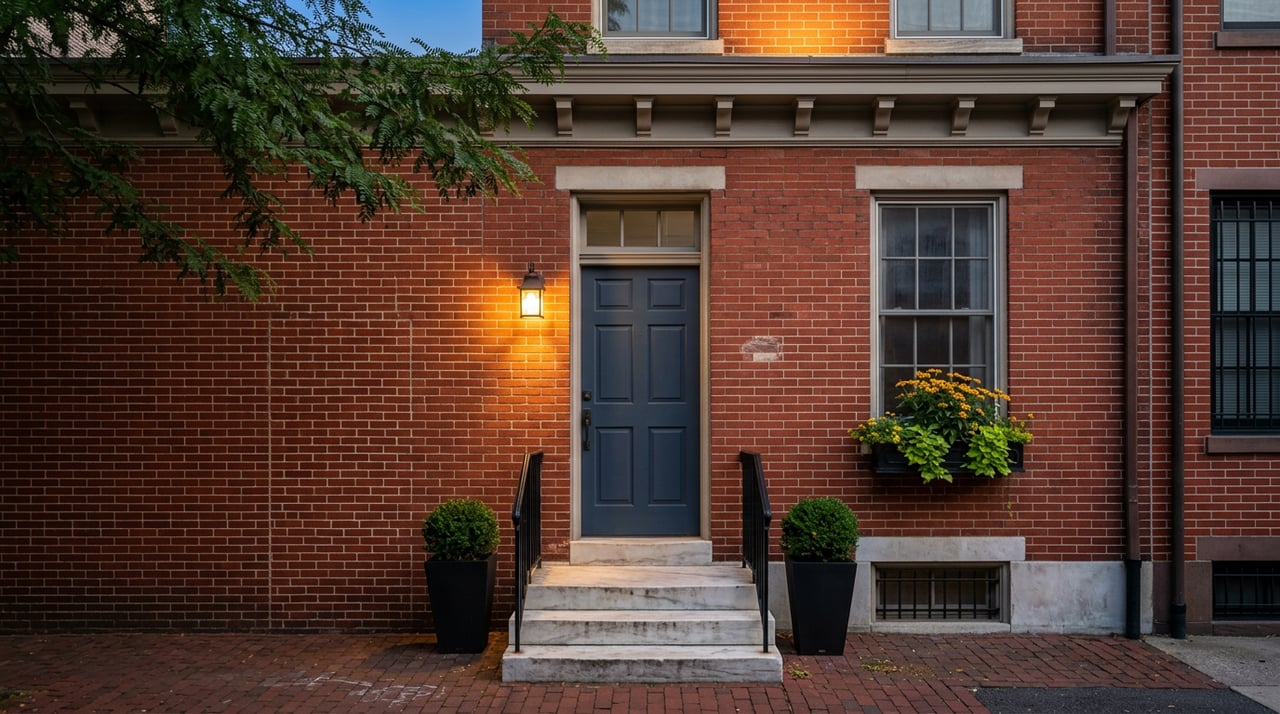
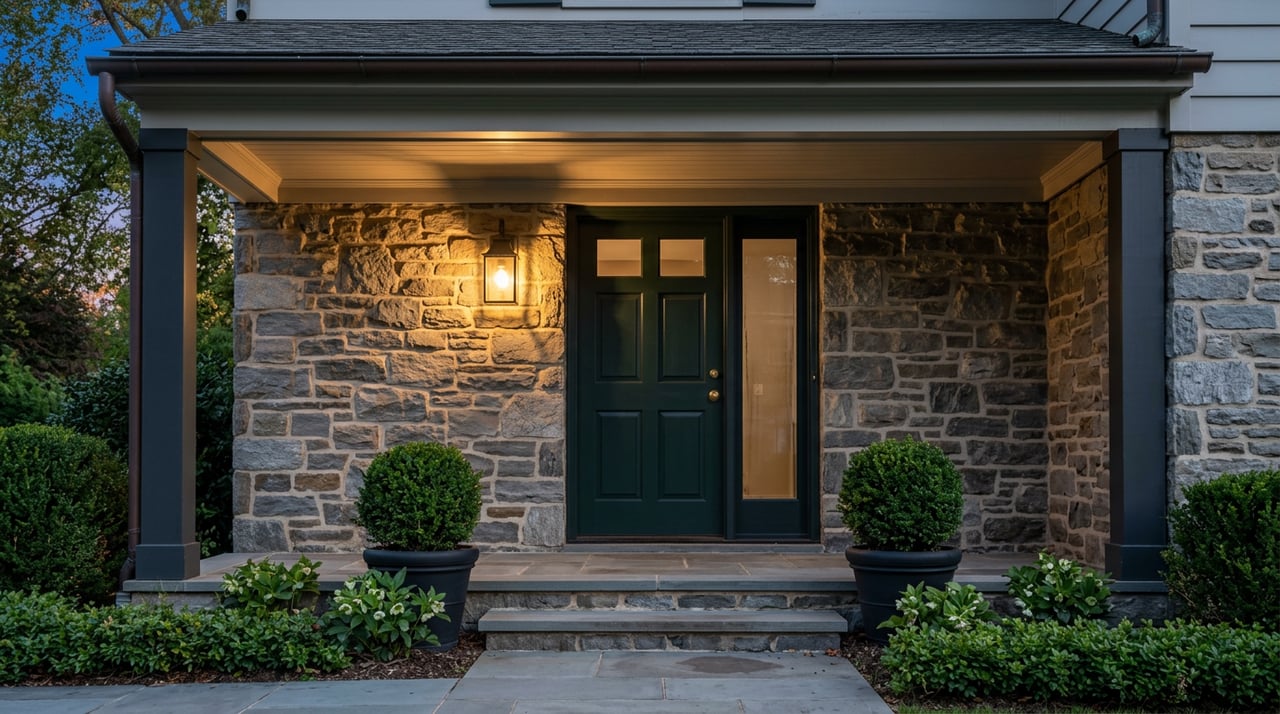
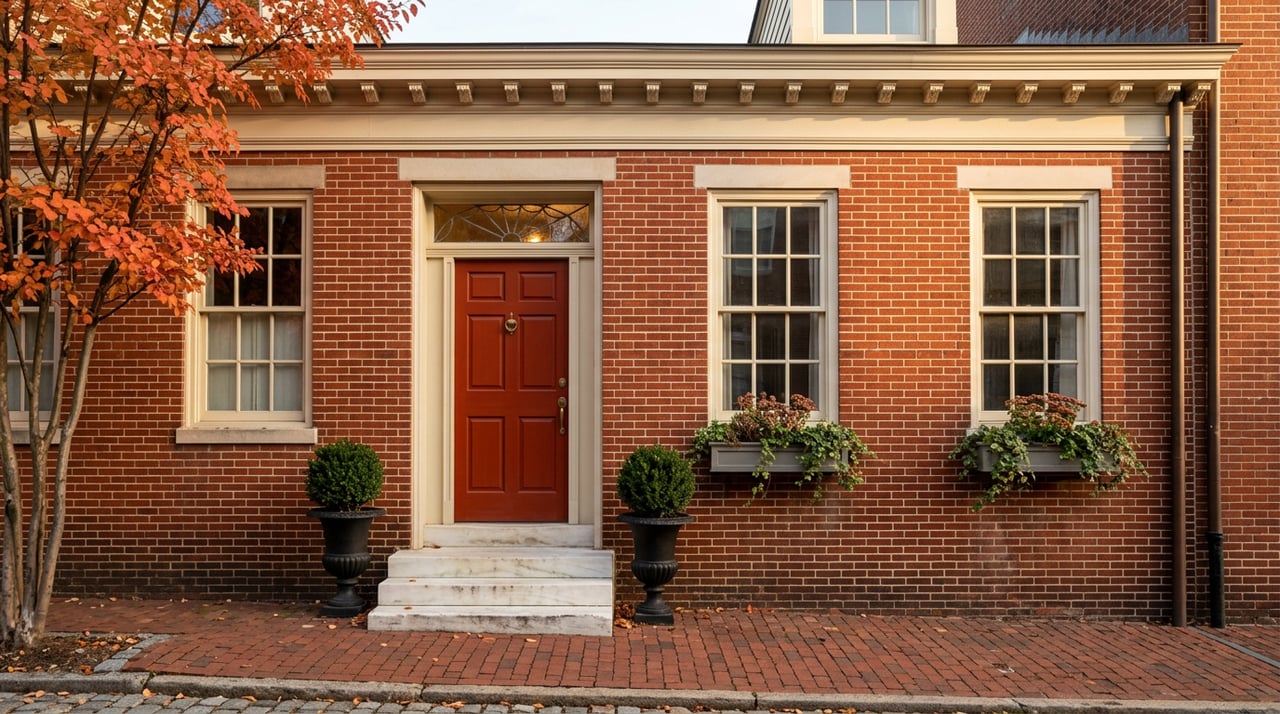
In practical terms, that means historic homes here often feel highly individual. You may find stone facades, masonry details, leaded windows, exposed roof trusses, large fireplaces, or distinctive floor plans that reflect when the home was built rather than today’s standard layout.
Common historic features in Lower Merion
In places tied closely to the township’s earlier growth, older homes are especially common. Southern Lower Merion villages such as Ardmore, Bryn Mawr, Merion Station, and Bala Cynwyd have particularly high concentrations of homes built before 1940.
Examples from local historic districts show the range. In Gladwyne, historic housing includes converted mill workers’ houses, Victorian and Gothic Revival homes, cottages, double houses, and small estates. In Wynnewood’s English Village, notable design features include ell-shaped plans, central courtyards, half-timbering, stone chimneys, and large stone fireplaces.
Why buyers love older homes
For many buyers, older homes offer something hard to replicate: presence. Materials like stone and masonry, along with period details and established streetscapes, can create a strong sense of place.
Historic homes also tend to sit within neighborhoods shaped over many decades. If you are drawn to architecture, mature surroundings, and homes with a story, older housing in Merion and nearby Lower Merion villages can be very appealing.
What new construction looks like here
Because Lower Merion is mostly built out, new construction does not usually mean large new subdivisions. More often, it appears as infill homes, lot splits, redevelopment projects, townhomes, or multifamily buildings near village centers and transit.
That makes newer housing feel more selective and limited. It also means the style and setting can vary a lot from one project to another, from luxury apartments to custom twins, townhomes, or newly built single-family homes.
Common features in newer homes
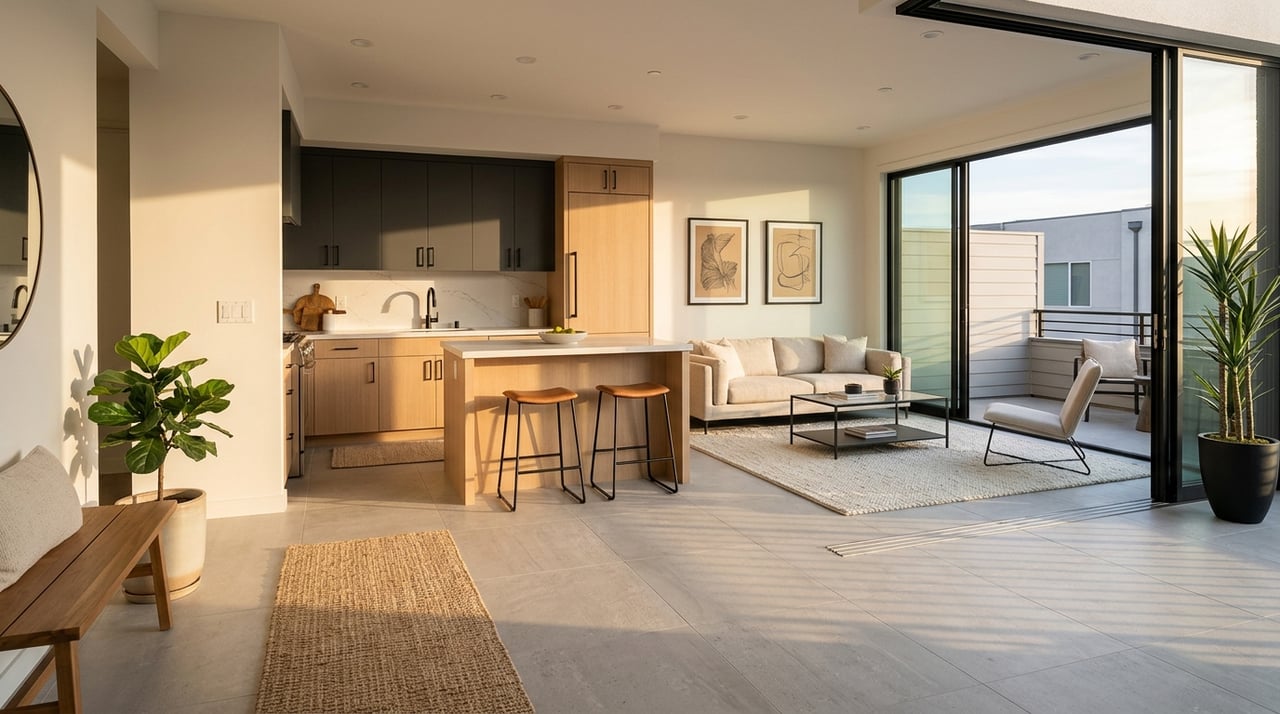
Recent local examples highlight the features many buyers expect from newer product. These include open-concept layouts, contemporary kitchens, high ceilings, oversized windows, and more modern interior finishes.
Some recent projects in Lower Merion have also delivered large single-family homes with generous bedroom counts and updated layouts designed for how people live today. If you want a home that feels move-in ready from day one, newer construction often checks that box.
New homes still have to fit the setting
One important point in Lower Merion is that new construction is not meant to ignore its surroundings. The township zoning code applies architecture standards to new buildings and requires them to respect surrounding scale and materials.
The code also limits exterior wall materials to options such as native stone, cast stone, brick, stucco over masonry, wood, cementitious board, metal, or glass. Windows must be inset from the wall, and roof materials must be durable, including slate, tile, shingles, or standing seam metal. In other words, new homes here are often designed to feel compatible with the broader Main Line streetscape.
Historic homes vs. new construction
When you compare the two, the decision usually comes down to how you want to live day to day. Here is a simple side-by-side view.
| Factor | Historic Home | New Construction |
|---|---|---|
| Character | Strong architectural detail and original materials | Cleaner lines and more modern finishes |
| Layout | May include smaller rooms or less open flow | Often open and designed for current preferences |
| Maintenance | May need more upkeep and system updates | Usually less immediate maintenance |
| Efficiency | Can improve with updates and weatherization | Typically stronger baseline efficiency |
| Availability | More common in Lower Merion | Limited supply |
| Pricing | May require renovation budget | Often priced at a premium for turnkey condition |
The maintenance and efficiency tradeoff
This is one of the biggest decision points for buyers. The features that give an older home its charm are often the same features that need more attention over time.
Windows are a good example. The Department of Energy says windows account for 25% to 30% of residential heating and cooling energy use, but if existing windows are in good condition, improvements like caulking, weatherstripping, storm windows, or shading can be a cost-effective way to improve comfort and lower energy costs.
Older homes can perform better with smart updates
Historic does not always mean inefficient. The National Park Service encourages owners to repair and retain historic windows when possible, and notes that storm windows and weatherstripping can significantly improve performance.
That can be helpful if you love an older home but want to reduce drafts and improve comfort without stripping away the details that make the house special. In many cases, a well-maintained historic home with thoughtful upgrades can offer a strong middle ground.
New construction starts with a modern baseline
Newer homes usually appeal to buyers who want fewer projects right away. ENERGY STAR certified new homes and apartments are designed to exceed minimum energy code requirements by at least 10% and are independently verified for insulation, windows, air sealing, and HVAC systems.
That does not mean every new home is the same, but it does show why many buyers are willing to pay more for newer product. Better baseline efficiency and modern systems can translate into convenience and predictability.
Historic review rules to know
If you are considering a historic property in Lower Merion, it is smart to understand the review process before planning major exterior work. Local historic status can affect what changes require review.
If a home is in a local historic district, exterior alterations, new construction, demolition, and signage require HARB review and a Certificate of Appropriateness. If a property is on the Historic Resource Inventory but outside a local district, exterior alterations, new construction, and demolition are reviewed by the Historical Commission.
Why this matters for buyers
These rules are not necessarily a reason to avoid a home. They are simply part of owning property in a place that takes preservation seriously.
For some buyers, that framework protects the character they value in the first place. For others, it is a reminder to ask early questions about future renovation plans, timelines, and approvals.
Which option fits your goals?
There is no single right answer in Merion or anywhere else in Lower Merion. The better choice depends on what matters most to you.
A historic home may be the better fit if you value original materials, distinctive architecture, and an established neighborhood feel. A newer home may make more sense if you want open living spaces, less immediate maintenance, and stronger baseline efficiency.
The middle ground many buyers prefer
In this market, the sweet spot is often somewhere in between. A renovated older home with updated systems can give you character without as many day-one projects.
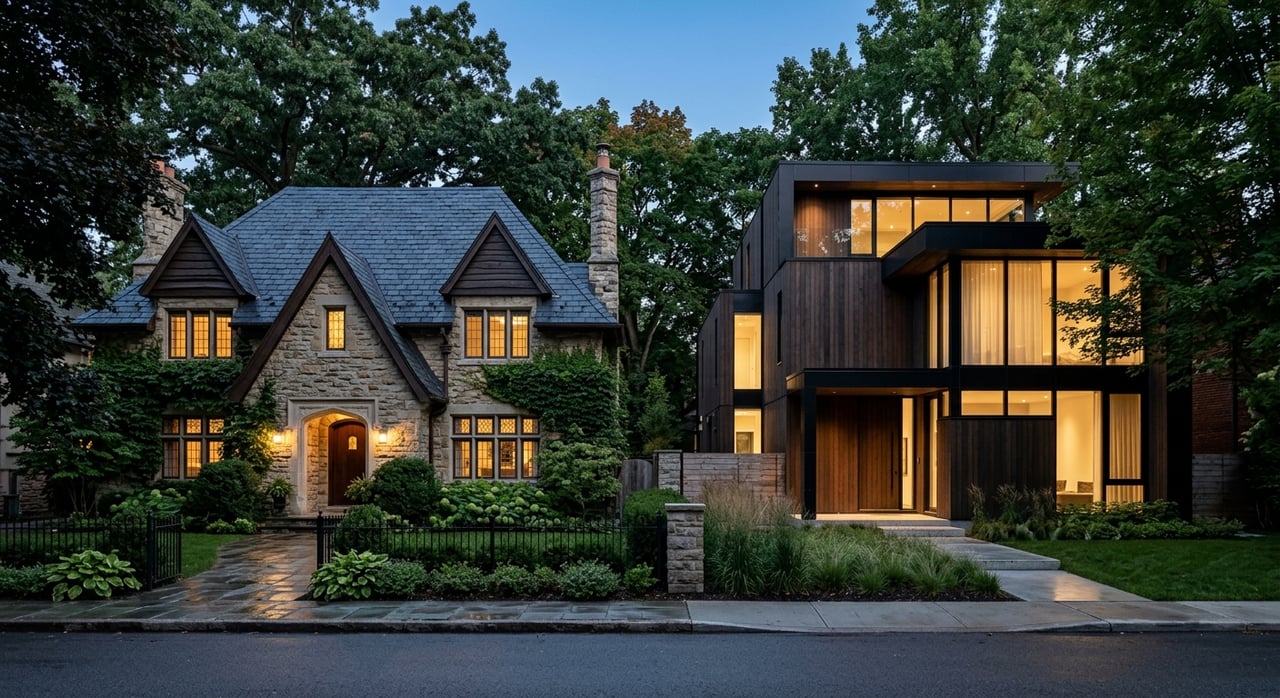
A newer infill home can also be a smart option if you want modern layout and performance while still fitting into a traditional Main Line setting. Lower Merion’s zoning and preservation framework is meant to encourage that compatibility rather than make every street look the same.
What to keep in mind as you shop
As you compare homes, focus on both the visible style and the less visible costs. A beautiful older house may need budget for windows, weatherization, or system upgrades, while new construction may come with a higher purchase price because turnkey supply is limited.
Recent township reporting notes that new deliveries tend to price at the top of the market. That can make a historic or updated older home especially attractive if you are comfortable balancing charm with future improvements.
If you are weighing historic charm versus new construction in Merion or anywhere in Lower Merion, the best next step is to compare the real tradeoffs property by property. The right guidance can help you spot value, understand condition, and choose a home that fits both your lifestyle and your long-term plans. The McCann Collective can help you navigate historic homes, new construction, and everything in between across the Main Line.
FAQs
What types of historic homes are common in Lower Merion?
- Lower Merion includes a wide range of styles, including Victorian, Gothic Revival, Queen Anne, Colonial Revival, Tudor Revival, English country house, Beaux Arts, and other historic designs.
Is new construction common in Merion and Lower Merion?
- New construction is relatively limited because the township is largely built out, so newer homes usually come through infill development, redevelopment, lot subdivision, or multifamily projects.
Are older homes in Lower Merion less energy efficient?
- Older homes can need efficiency improvements, especially around windows, but updates like caulking, weatherstripping, and storm windows can significantly improve comfort and performance.
Do historic homes in Lower Merion have renovation rules?
- Yes. Depending on whether a property is in a local historic district or on the Historic Resource Inventory, certain exterior work, demolition, or new construction may require review by local preservation bodies.
Are newer homes in Lower Merion designed to match the area?
- Lower Merion’s zoning code requires new buildings to respect surrounding scale and materials, so newer homes are generally expected to fit the character of the existing streetscape.
Which is better for buyers in Merion: historic charm or new construction?
- The better choice depends on your priorities, including architecture, layout, maintenance, energy performance, and whether you prefer a turnkey home or are comfortable planning future updates.