Whether you’re buying or selling a home in Philadelphia, discovering the property is part of a Homeowners Association (HOA), Condominium Association, or Planned Unit Development (PUD) adds an important layer to the process. These communities, found in neighborhoods from Rittenhouse to Fishtown and into the suburbs, offer fantastic benefits but come with specific rules and requirements.
At The Mike McCann Team, we’ve guided thousands of clients through the intricacies of association transactions. We know the ins and outs of Philadelphia’s diverse communities and how to ensure a smooth, successful experience for all parties.
Understanding Philadelphia’s Association Types
First, it’s crucial to know what kind of community you’re dealing with:
Homeowners Association (HOA)
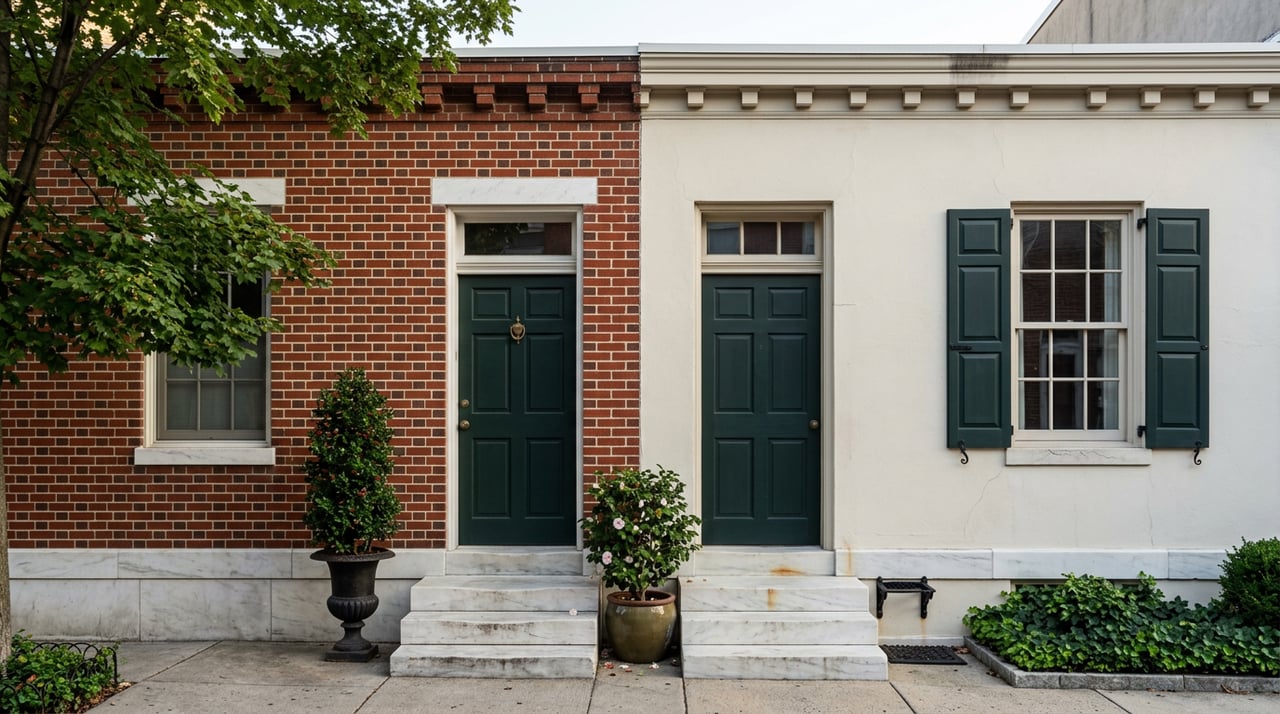
Common in townhome and gated communities, HOAs manage shared spaces like courtyards, parking areas, and private streets, and enforce community guidelines.
Condominium Association
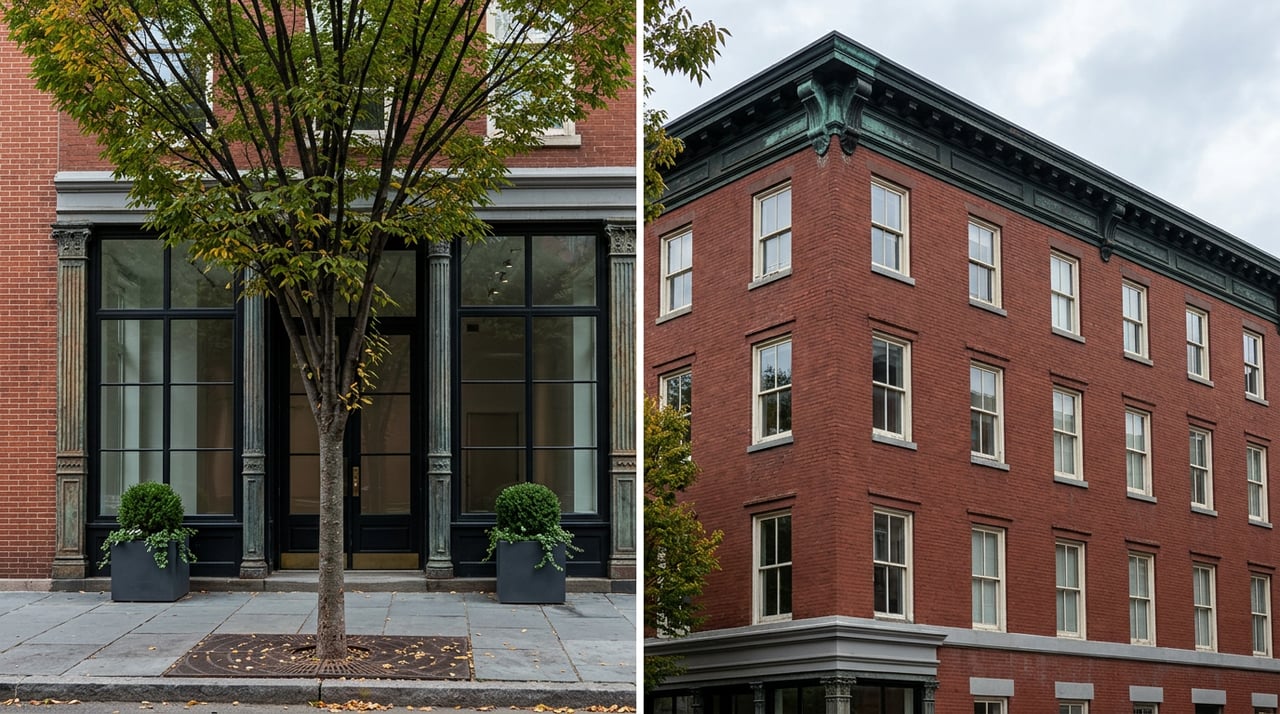
This governs high-rises and converted buildings (think Old City lofts or Center City towers). The association covers the building’s structure, lobby, elevators, and common insurance, while owners are responsible for their individual units.
Planned Unit Development (PUD)
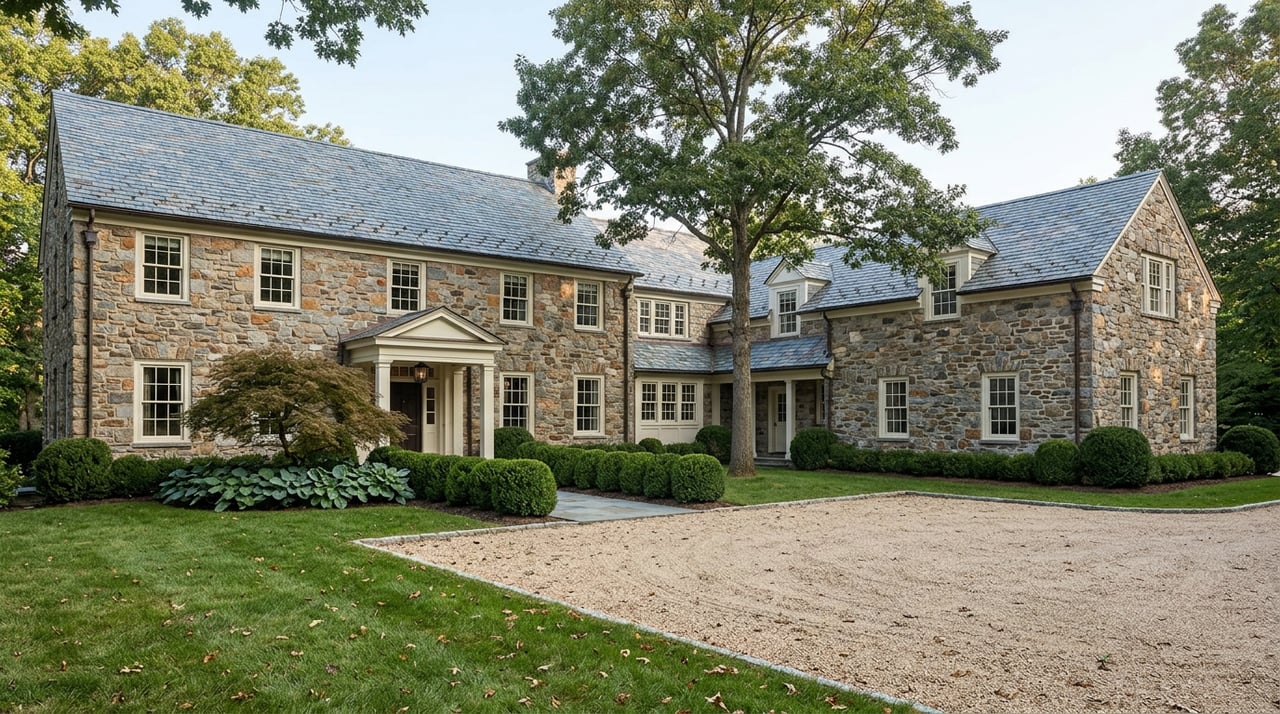
Often found in suburban neighborhoods, a PUD blends elements of both. You own your home and lot but share responsibility for amenities like a pool, clubhouse, or walking trails.
A Guide for Sellers
If you’re selling, a little preparation goes a long way in helping you avoid delays. Here are 5 things you should do when you’re selling your house.
1. Start with a Conversation
Notify your association or management company early. This allows you to get a complete list of fees, requirements, and processes upfront, so you’re not blindsided later.
2. Prepare for Inspections
Beyond the buyer’s inspection, the association may conduct its own compliance review. Ask about this in advance. Fixing minor issues—like repainting a fence or removing an unapproved fixture—can prevent hurdles once you’re under contract.
3. Understand the Financial Details
Be prepared for a transfer fee and ensure all your dues are paid current. Request a clear breakdown of what you owe, including any special assessments that must be settled before closing. This will normally be included in your resale certificate.
4. Order the Resale Package Promptly
In Pennsylvania, the seller must order and pay for the resale package (or disclosure packet). This crucial document, containing governing rules, financial details, and insurance details, is typically ordered after you go under contract. Delays here can halt the entire sale, so prompt action is essential.
5. Keep Buyers Informed
Highlight the benefits of community living—like maintained grounds or access to amenities—to make your property more attractive. An informed buyer is a confident buyer.
A Guide for Buyers
When you’re buying into a managed community, due diligence is key to a confident purchase. Here are 4 tips home buyers should follow.
1. Scrutinize the Resale Package
This packet, provided by the seller, is your window into the community’s health. You’ll have a specific period to review its governing documents, budgets, reserve studies, and rules. If the information isn’t satisfactory, you may have the option to cancel the contract.
2. Budget for Fees & Assessments
Understand the monthly or quarterly dues. More importantly, check for any current or planned special assessments—large, one-time charges for major projects like a new roof. The resale package will detail this.
3. Review the Rules for Your Lifestyle
Association living comes with perks, but also regulations. Review rules on rentals, pets, exterior modifications, and more to ensure the community is the right fit for you.
4. Confirm Compliance
Ensure any compliance issues identified in the seller’s inspection have been resolved so you don’t inherit fines or repair obligations.
Why Partner with The Mike McCann Team?
Navigating an association transaction doesn’t have to feel overwhelming. With proper preparation and an expert team, you can navigate the process with confidence.
At The Mike McCann Team, we are specialists in HOA, condo, and PUD sales across Philadelphia and the surrounding areas. We guide sellers through every detail, from notifying the association to ensuring the resale package is delivered on time. For buyers, we provide expert analysis of resale packages and ensure you have all the information needed to make a sound investment.