Choosing between Cherry Hill and Center City is not just about picking an address. It is about deciding how you want your days to feel. If you are weighing more space and easier parking against walkability and quick access to the heart of Philadelphia, this guide will help you compare the tradeoffs with more clarity. Let’s dive in.
Start With Your Daily Routine
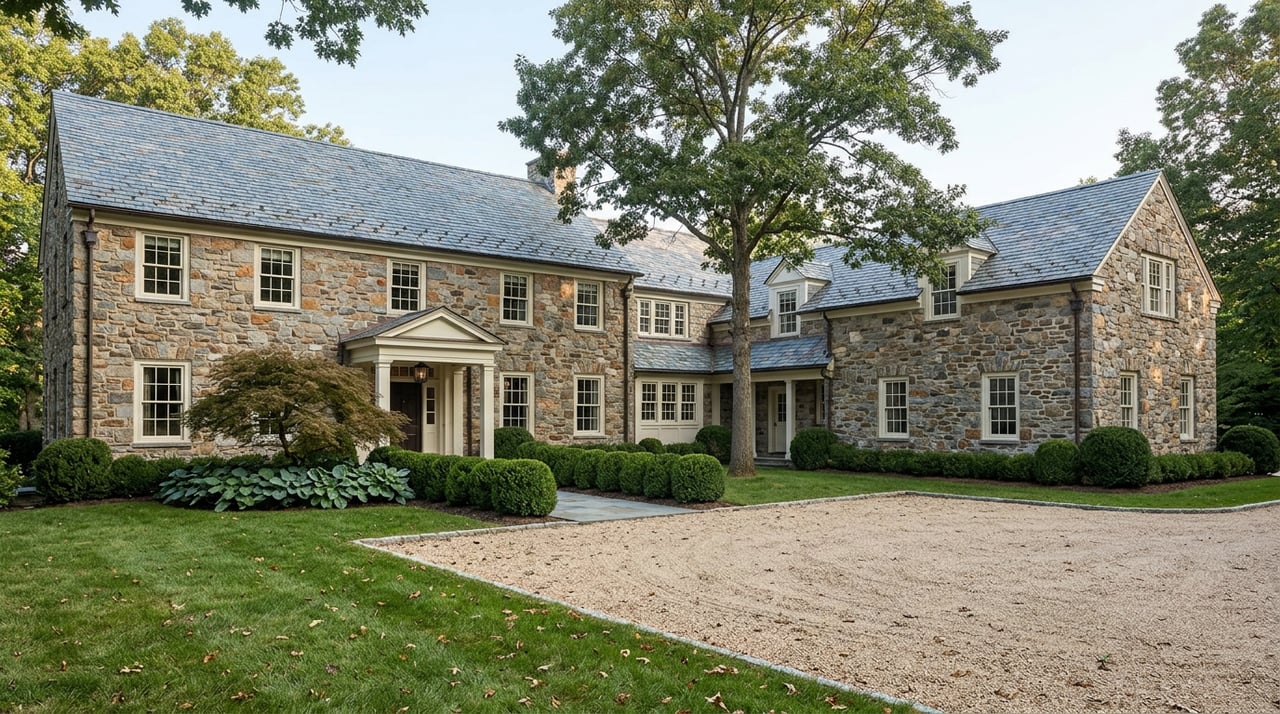
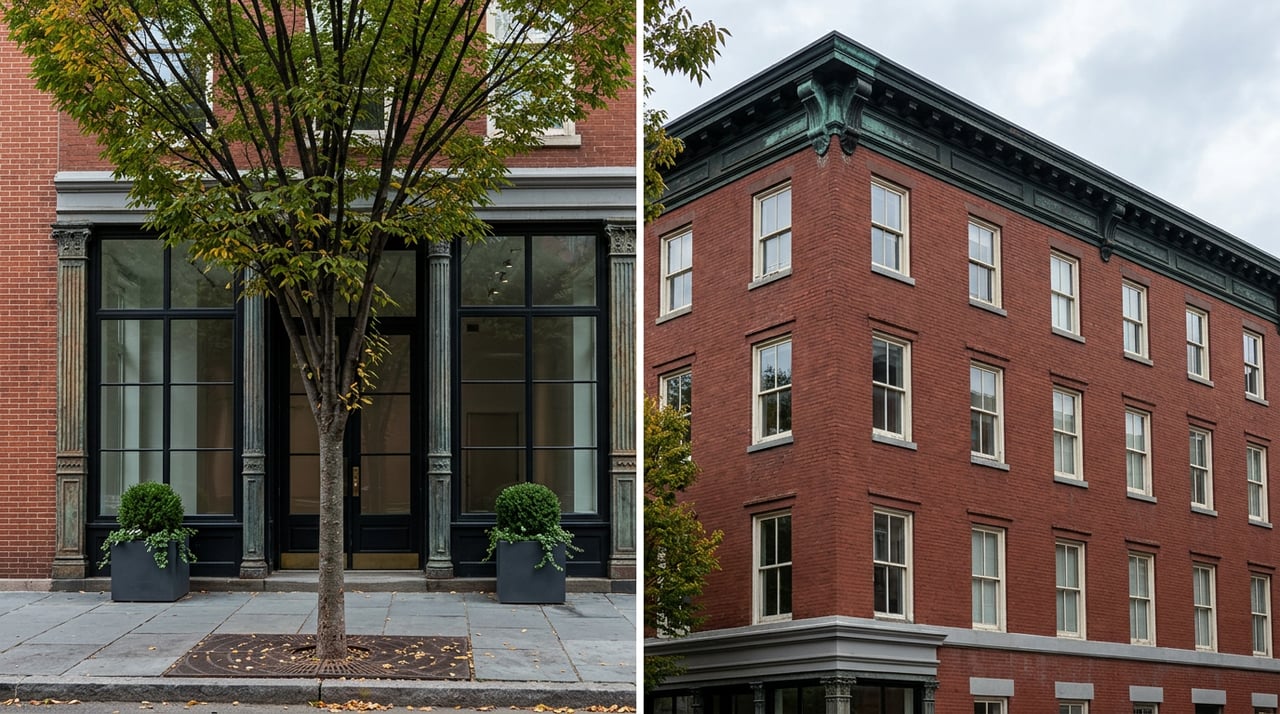
The biggest difference between Cherry Hill and Center City is how each place supports your everyday life. Cherry Hill offers a more suburban setup, while Center City gives you a more urban experience.
In practical terms, Cherry Hill often means more room to spread out, a stronger car-based routine, and easier access to parking. Center City usually means you can walk more, rely less on a car, and stay closer to work, dining, and entertainment.
That core tradeoff matters because your home is not just the property itself. It also shapes how long you commute, how often you drive, and how easy it feels to enjoy the things you care about most.
Compare Commute and Transit Access
If you work in Philadelphia, commute logistics can quickly become the deciding factor. Cherry Hill gives you solid rail options, while Center City places you inside the region’s transit hub.
Cherry Hill Commute Options
Cherry Hill has two useful pathways for getting into Philadelphia. NJ Transit’s Cherry Hill Station sits on the Atlantic City Rail Line and includes 350 parking spaces. PATCO’s Woodcrest stop is also located in Cherry Hill Township.
A representative weekday PATCO trip from Woodcrest to 15/16th & Locust takes about 26 minutes. For many buyers, that makes Cherry Hill a workable choice if you want suburban living without giving up rail access into Center City.
Center City Transit Advantage
Center City is built for access. It connects directly to an 11-county region and 14 regional rail lines, and the area is known for being highly walkable.
Visit Philadelphia describes Center City as only 2.4 miles across from Penn’s Landing to the Schuylkill River Trail. That compact footprint can make a big difference if you want fewer last-mile commute challenges and a more flexible car-free or car-light lifestyle.
Look at Housing Styles and Prices
Your budget matters, but so does what you get for that budget. Cherry Hill and Center City often serve different buyers because the housing stock feels very different.
Cherry Hill Housing Snapshot
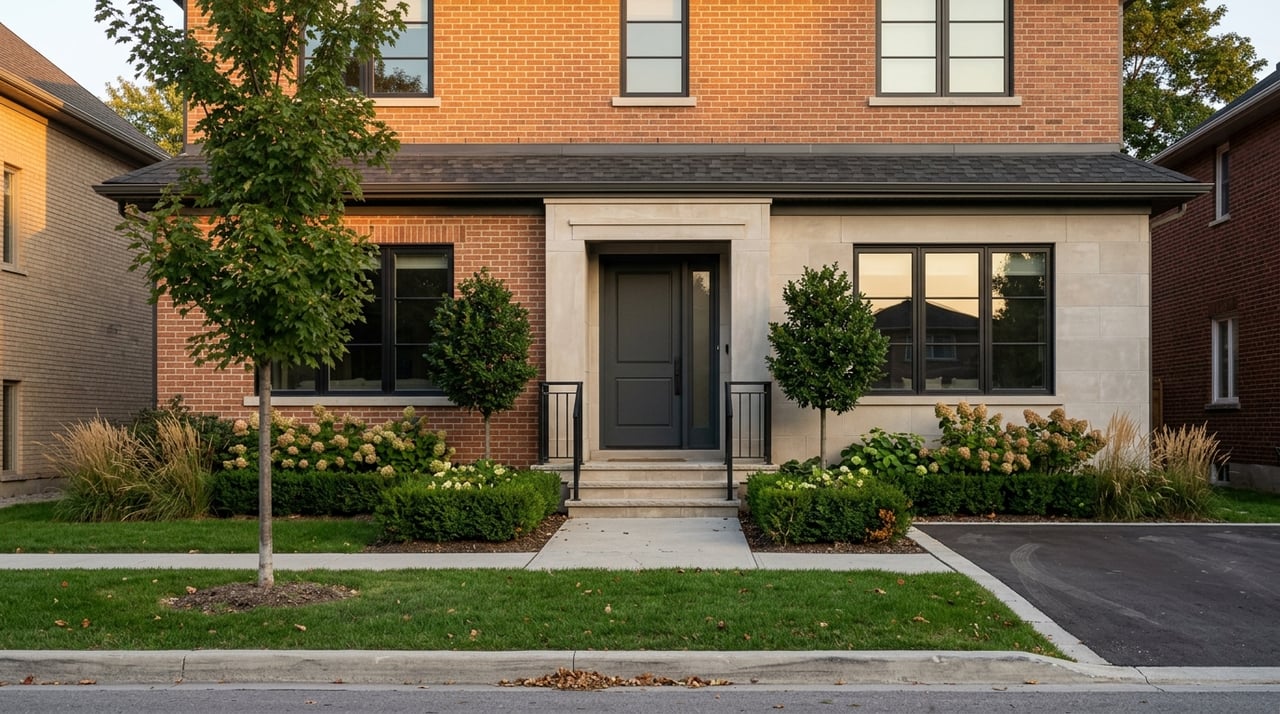
Cherry Hill remains heavily single-family oriented. Zillow shows 95 single-family listings in Cherry Hill, and township resources also note condo and townhome options.
Redfin’s latest township snapshot puts Cherry Hill’s median sale price at $495,000, with a median sale price per square foot of $264 and a median of 24 days on market. Census QuickFacts lists Cherry Hill’s median owner-occupied home value at $386,300 and median gross rent at $1,882.
If you are looking for more square footage, a yard, or a layout that feels more spread out, Cherry Hill may line up better with your goals. Active single-family examples currently cluster from the low-$300,000s to the mid-$700,000s.
Center City Housing Snapshot
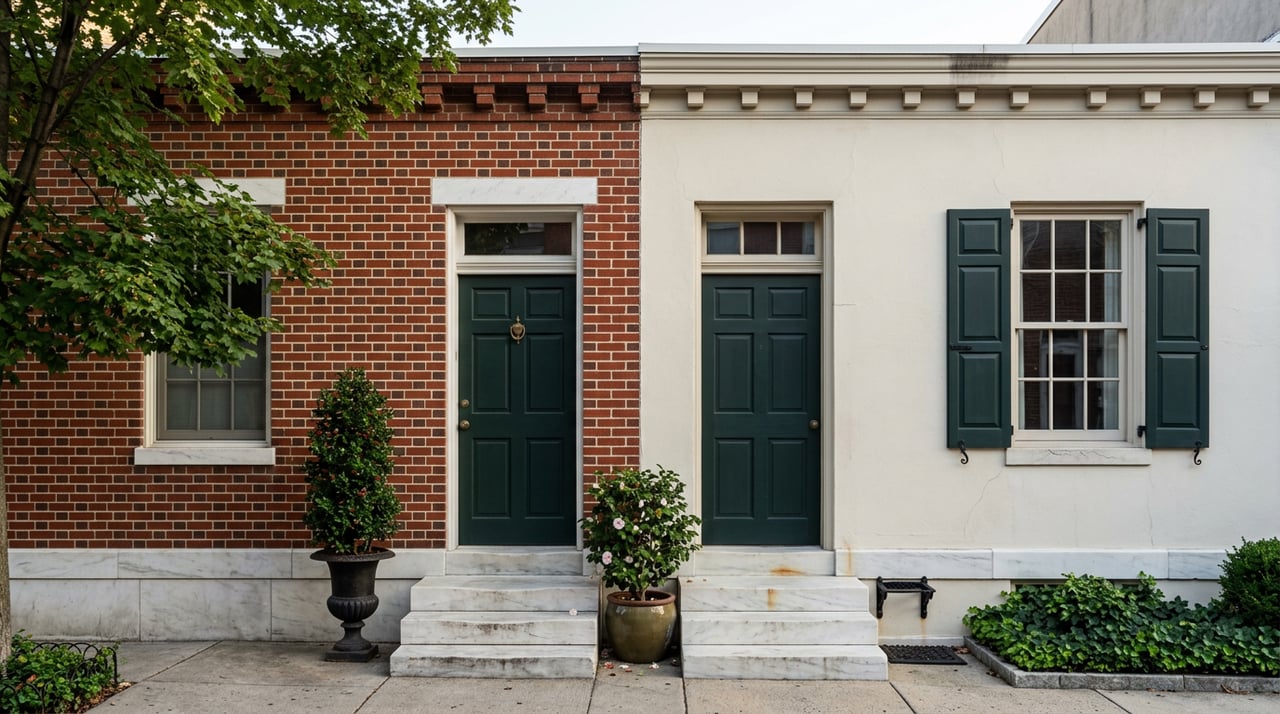
Center City skews more toward condos and attached homes. Redfin shows 521 condos for sale with a median listing price of $419,000, while Zillow’s Center City townhome page shows a smaller number of townhome listings.
Redfin’s overall Center City market snapshot shows a median sale price of $530,000 and a median sale price per square foot of $402. That higher price per square foot helps explain why buyers often trade space for location, walkability, and convenience in Center City.
The price range is also wide. Smaller condos can sell in the low-$100,000s, while townhomes can reach multimillion-dollar prices. That means Center City can offer different entry points, but monthly costs can still climb quickly depending on building type, size, and location.
Compare Rental Costs Before You Buy
If you are deciding whether to rent first or buy right away, it helps to understand the rental gap between these two areas. Center City is generally the more expensive rental market.
Recent estimates place average Center City apartment rents in roughly the $2,300 to $2,500 range. One-bedroom units run about $2,275 to $2,278, while two-bedroom units range from about $3,330 to $3,471.
By comparison, Cherry Hill’s median gross rent is $1,882. The main takeaway is simple: if you want a more central, walkable city lifestyle, you will often pay a premium for it.
Think About Lifestyle Fit
Numbers help, but lifestyle fit is what usually makes the final decision feel right. Cherry Hill and Center City each offer a distinct rhythm.
Why Buyers Choose Center City
Center City is a strong match if you want to walk to more of your daily destinations. The area offers dense access to dining, shopping, cultural experiences, nightlife, green spaces, and multiple neighborhoods inside a compact downtown footprint.
If your ideal week includes walking to coffee, meeting friends for dinner without planning a drive, and staying close to work or entertainment, Center City may feel like the easier fit. It is especially appealing if you are comfortable with a smaller home in exchange for location and convenience.
Why Buyers Choose Cherry Hill
Cherry Hill tends to appeal to buyers who want a more suburban pace. The township offers recreation and historic sites such as Croft Farm, a public park used for recreation, education, and cultural programming, and Barclay Farmstead, a 32-acre historic property with nature trails and public events.
Cherry Hill Public Schools is a township-based district with 18 schools and more than 10,000 students. For buyers who want a larger township setting, more space, and a daily routine that leans less urban, Cherry Hill often checks those boxes.
Ask These Questions Before You Decide
If you are stuck between the two, focus on the tradeoffs that affect your life the most. A smart decision usually becomes clearer when you compare your habits, budget, and priorities side by side.
Ask yourself:
- Do you want more space, or do you want a shorter and easier daily routine?
- How often do you expect to commute into Philadelphia?
- Do you want to rely on a car, or would you rather walk and use transit more often?
- Are you open to condo living, or do you prefer a single-family home or townhome feel?
- What monthly payment feels comfortable once housing, parking, and transportation are all considered?
- Do you want more access to city activity, or more separation from it at the end of the day?
A Simple Way To Frame the Choice
Cherry Hill usually makes more sense if you want space, parking, and a suburban rhythm with reasonable access into Philadelphia. Center City usually makes more sense if you want walkability, transit convenience, and immediate access to city life.
Neither option is better across the board. The right answer depends on what you want to optimize most: square footage, commute simplicity, monthly cost, or day-to-day lifestyle.
For many Philadelphia-area buyers, this is not really a city-versus-suburb question. It is a question of how you want your next chapter to function.
If you want help comparing specific neighborhoods, property types, or price points in both markets, The McCann Collective can help you weigh the numbers and the lifestyle fit with local insight.
FAQs
How does commuting from Cherry Hill to Center City compare with living in Center City?
- Cherry Hill offers rail options through NJ Transit’s Cherry Hill Station and PATCO’s Woodcrest stop, while Center City puts you closer to major transit lines and can reduce the need for a car.
Is Cherry Hill or Center City more affordable for homebuyers?
- Based on the research provided, Cherry Hill’s median sale price is $495,000 and Center City’s median sale price is $530,000, though home type and price range vary widely in both areas.
What types of homes are more common in Cherry Hill versus Center City?
- Cherry Hill is more single-family oriented, while Center City has more condos and attached housing.
Is renting in Center City more expensive than renting in Cherry Hill?
- Yes. Recent estimates place average Center City apartment rents around $2,300 to $2,500, compared with Cherry Hill’s median gross rent of $1,882.
What kind of lifestyle does Cherry Hill offer compared with Center City?
- Cherry Hill generally offers a more suburban rhythm with more space and parking, while Center City offers a more urban lifestyle with stronger walkability, transit access, and amenity density.