If you only know Ocean City as a summer destination, you might be surprised by what daily life looks like once the crowds thin out. For many people, the appeal is not just the beach. It is the mix of coastal routine, year-round amenities, and a community rhythm that shifts with the seasons. If you are thinking about making a primary home here, this guide will help you understand what to expect from year-round living in Ocean City, NJ. Let’s dive in.
Ocean City year-round at a glance
Ocean City is more than a vacation market. According to the city’s 2024 bond statement, it has 11,229 year-round residents, around 14,000 second homes, and a peak summer population above 150,000. That contrast tells you a lot about life here.
As a barrier-island city in Cape May County, Ocean City offers a very distinct living experience. The same city document places it about 65 miles from Philadelphia and 10 miles from Atlantic City, which can matter if you plan to balance shore living with regional travel. You get a coastal setting with a daily pace that changes significantly from January to July.
Seasonal living in Ocean City
Off-season feels calmer
One of the biggest differences in year-round living is the seasonal rhythm. The official Ocean City Boardwalk page says the boardwalk is open daily and 24 hours year-round, but the atmosphere changes a lot between seasons.
From November through March, the city generally feels slower and quieter. There are fewer visitors, and the off-season often brings a more relaxed pace for errands, walks, and local outings. If you like the shore but want breathing room, this is often the version of Ocean City that full-time residents enjoy most.
Summer brings energy and crowds
From Memorial Day to Labor Day, Ocean City shifts into peak season. Streets, beaches, and commercial areas become much busier as visitors and seasonal homeowners return.
That summer energy is part of the appeal, but it also affects parking, traffic, and daily routines. Living here full time means learning to enjoy the convenience of a beach town while planning around the most active months of the year.
The climate stays relatively mild
Ocean City’s planning document describes the area as having a humid, temperate barrier-island climate. Average temperatures are around 35°F in January and 75°F in July, which points to relatively mild winters compared with many inland markets.
That can make year-round outdoor living more realistic than some buyers expect. Walks on the boardwalk, time by the beach, and day-to-day recreation stay part of life well beyond summer.
Ocean City lifestyle and community character
A distinctive shore-town identity
Ocean City has a lifestyle that stands out, even within South Jersey shore communities. The city planning document notes that alcohol sales and public consumption are not allowed except in private, which is one of the city’s defining characteristics.
For some buyers, that is an important part of the city’s identity and overall atmosphere. It helps shape the way people think about Ocean City as a place for full-time living, seasonal traditions, and everyday routines.
Events continue beyond summer
Year-round living does not mean everything shuts down after Labor Day. The mayor’s office says Ocean City hosts more than 200 family-friendly events each year, including First Night on New Year’s Eve, the Baby Parade, and seasonal block parties in May and October, as noted in the city’s bond statement.
That event calendar adds another layer to daily life. Even in a town known for tourism, there are recurring traditions and local activities that help create continuity for full-time residents.
Amenities that support daily life
Community Center resources
One of Ocean City’s strongest advantages is how much civic infrastructure is packed into a relatively small place. The Ocean City Community Center brings together the public library, Aquatic & Fitness Center, Arts Center, Historical Museum, Howard S. Stainton Senior Center, and a café under one roof.
For year-round residents, that kind of setup matters. It gives you everyday access to fitness, programming, community services, and public spaces without needing to leave town for basic quality-of-life amenities.
Library and local facilities
The Community Center page also notes that the library offers free cards to Ocean City residents and property owners, as well as students in the district’s three schools. The city also maintains a municipal airport and a 12-hole golf course.
These may not be the first things buyers think about, but they add up. When you live somewhere full time, convenience matters just as much as scenery.
Schools and local services
According to the Community Center information, the Ocean City School District operates a primary school, intermediate school, and high school. For buyers who want to understand the local service footprint, that is part of the practical side of evaluating year-round life here.
It is also worth noting that Ocean City functions as more than a beach destination. The city has the public and civic framework needed to support residents through all seasons, not only vacationers during summer.
What housing looks like in Ocean City
A market shaped by second homes
Ocean City’s housing market looks different from many inland communities because second homes and seasonal rentals play such a large role. The city’s Consolidated Plan says the market is largely made up of second homes and seasonal rentals, and that the city is near build-out.
That near build-out status can affect both inventory and pricing. In a place with limited space and strong demand, buyers often need to be realistic about availability, condition, and cost.
Housing types vary
The same city plan gives a useful picture of the housing mix:
- 41% of residential properties are 1-unit attached
- 30% are 1-unit detached
- 17% are 2-4 units
- 6% are 5-19 units
- 5% are 20 or more units
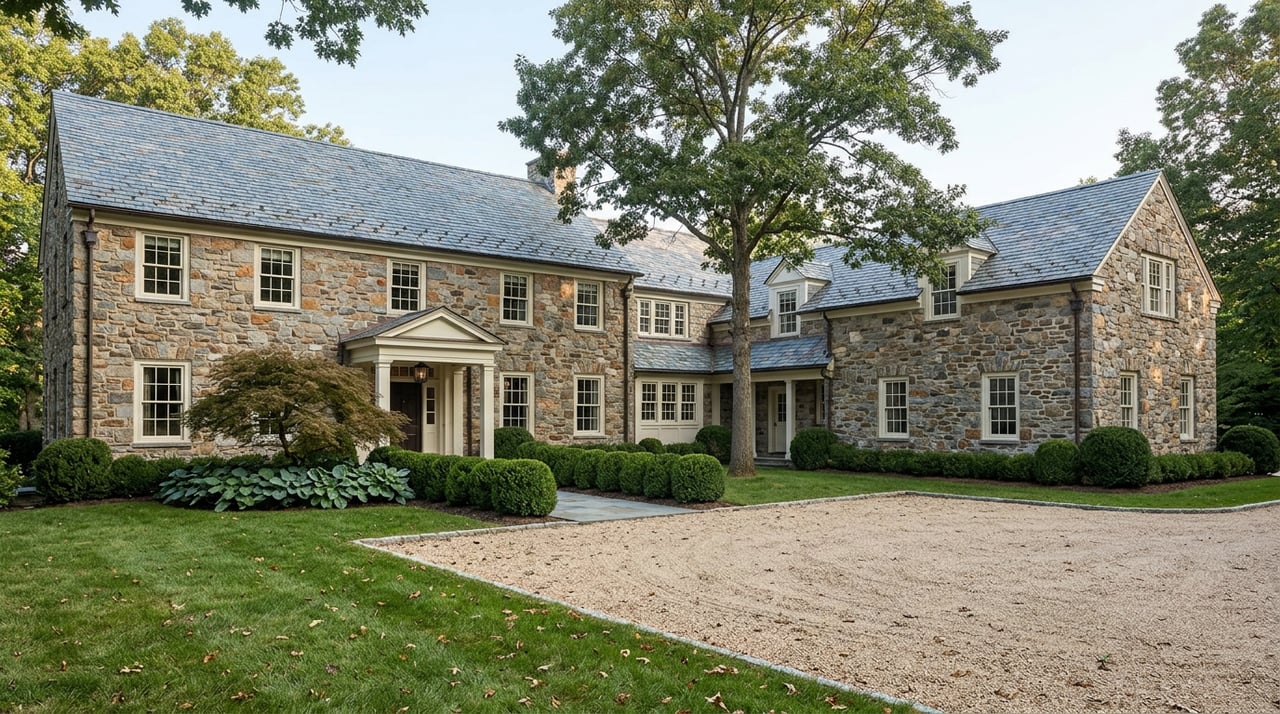
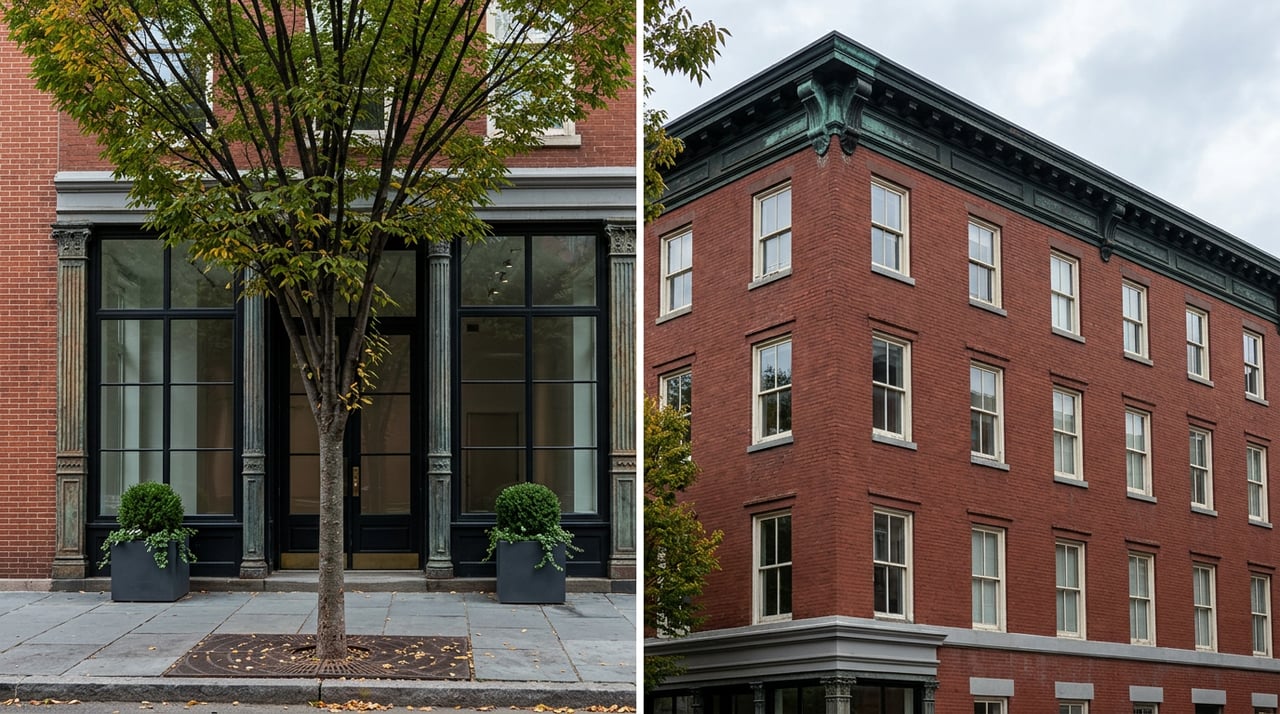
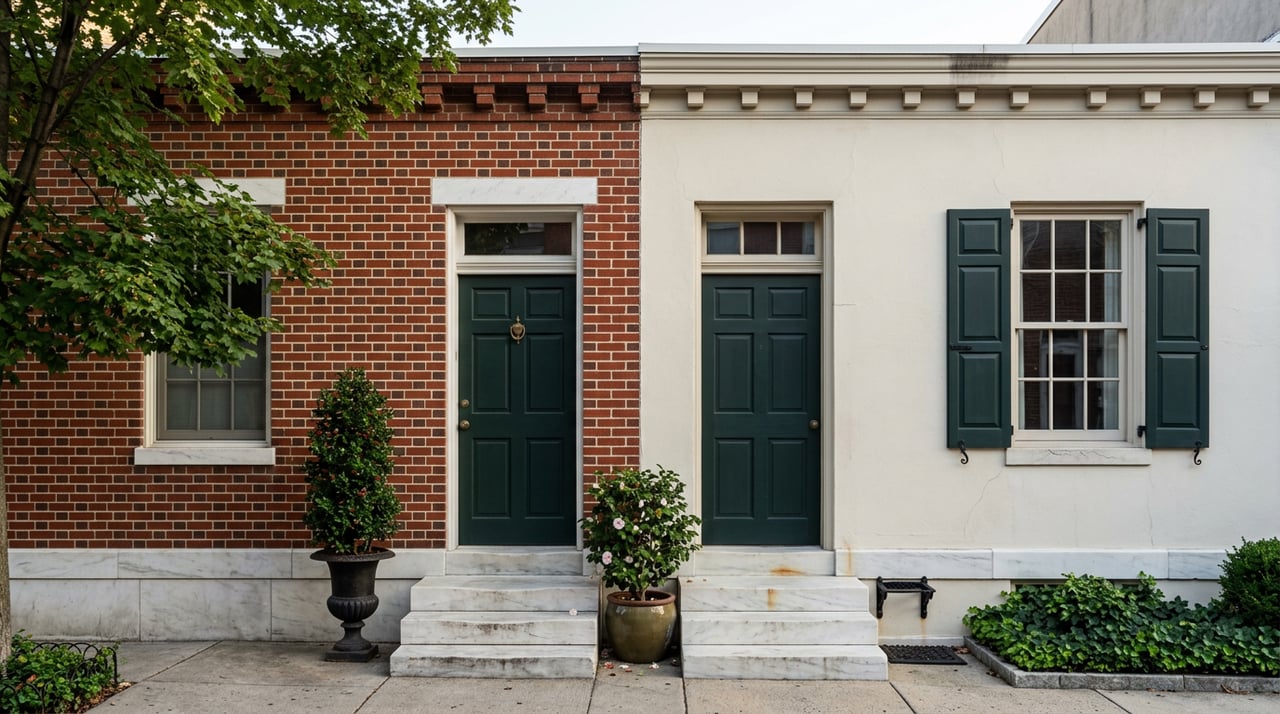
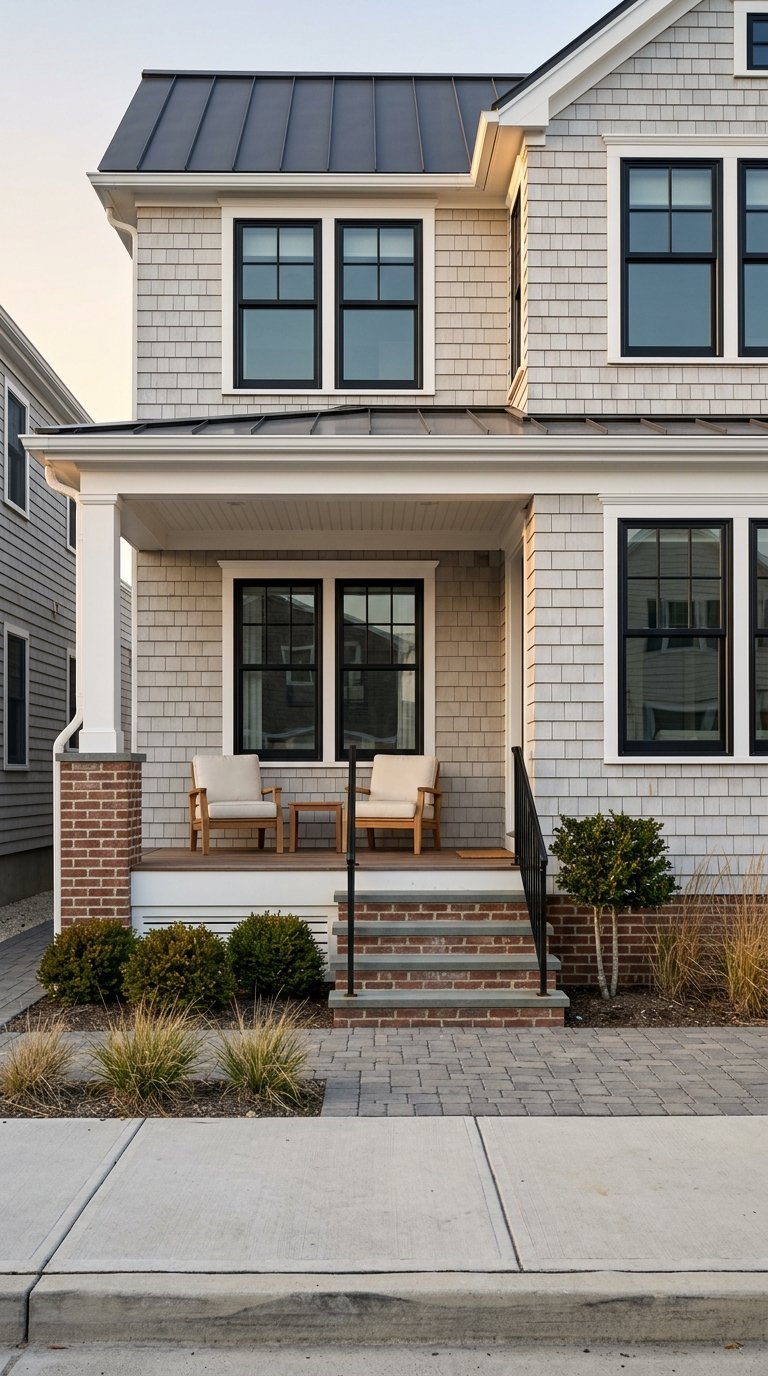
For buyers, that means Ocean City is not defined by one housing style. You will find a mix of attached homes, detached homes, and smaller multi-unit properties rather than a landscape dominated by large apartment buildings.
Older housing stock can affect upkeep
The Consolidated Plan also says 45% of the housing stock was built before 1979. In practical terms, that can mean maintenance, updating, and long-term ownership costs deserve close attention when you are comparing homes.
That does not make older homes a drawback by default. It simply means buyers should look carefully at condition, systems, and renovation needs, especially in a coastal environment.
Costs to expect as a year-round resident
Home values run higher than the state norm
Housing costs are one of the clearest differences between Ocean City and many other New Jersey communities. Census QuickFacts show a median owner-occupied home value of $840,500 in Ocean City, compared with $454,400 statewide.
That gap helps explain why year-round ownership here often requires a bigger budget. Buyers are not just paying for a home. They are also paying for location, limited supply, and the appeal of shore living.
Monthly ownership costs matter
The same Census data shows median monthly owner costs with a mortgage at $3,242 in Ocean City, compared with $2,829 across New Jersey. Median gross rent is listed at $1,683 in Ocean City versus $1,720 statewide.
If you are comparing owning versus renting, those numbers can help frame the conversation. They also show why buyers should think beyond list price and look closely at their full monthly payment.
Property taxes and beach tags add to the budget
The New Jersey Division of Taxation lists Ocean City’s 2024 average residential tax bill at $7,237, according to the Census source above. Seasonal beach fees are another cost to know about. The city’s beach tag page says tags are required for beachgoers age 12 and older, with seasonal tags priced at $30 pre-season and $35 in season.
The city says those fees help cover beach maintenance, lifeguards, trash removal, equipment, and police protection. For full-time residents, these recurring costs are simply part of understanding the total cost of living by the shore.
Who may enjoy year-round Ocean City most
Ocean City can be a strong fit if you want a coastal setting with established amenities, a recognizable seasonal rhythm, and a lifestyle that feels different from inland suburbs or city neighborhoods. It may especially appeal to people who value walkable access to the boardwalk, public facilities, community events, and a quieter off-season atmosphere.
Current Census QuickFacts also show that 33.8% of residents are age 65 or older and the average household size is 1.97, which points to a smaller-household, more retiree-leaning population than New Jersey overall. That does not define every buyer, but it does give helpful context about the resident profile.
Final thoughts on year-round living
Living in Ocean City year-round means embracing contrast. You get a quieter off-season, a high-energy summer, strong civic amenities, and a housing market influenced by second homes and limited supply.
If that balance sounds appealing, it helps to go in with clear expectations about costs, housing condition, and seasonal changes in day-to-day life. If you are exploring homes in South Jersey and want practical guidance on what fits your goals, The McCann Collective is here to help you navigate your next move with clarity and confidence.
FAQs
What is Ocean City, NJ like in the winter for year-round residents?
- Winter in Ocean City is generally quieter, with fewer tourists, a slower pace, and continued access to the boardwalk, which stays open year-round.
Is the Ocean City boardwalk open year-round?
- Yes, the official boardwalk page says the 2.5-mile boardwalk is open daily and 24 hours all year.
Is Ocean City, NJ expensive to live in full time?
- Ocean City has higher owner-occupied home values and monthly ownership costs than the New Jersey statewide figures, so full-time living often comes with resort-town housing costs.
What types of homes are common in Ocean City, NJ?
- Ocean City has a mix of 1-unit attached homes, 1-unit detached homes, and smaller multi-unit properties, with attached homes making up the largest share of residential properties.
Does Ocean City, NJ have amenities for year-round residents?
- Yes, year-round residents have access to civic amenities including the Community Center, library, Aquatic & Fitness Center, Arts Center, Historical Museum, Senior Center, municipal airport, golf course, and the boardwalk.
How many people live in Ocean City, NJ year-round?
- The city’s 2024 bond statement reports 11,229 year-round residents, with a much larger seasonal population during the summer months.